

If you have ever joined a Zoom call and winced at how thin your voice sounded, you already know why the best USB microphones are worth a closer look. A USB microphone is a plug-and-play recording device that connects directly to your computer, so you skip the audio interface and start sounding noticeably cleaner within minutes of unboxing.
Over the past three months, our team put ten of the most popular USB microphones through real-world recording sessions. We tested them in home offices, untreated bedrooms, and one shared apartment with a very vocal parrot. We captured podcasts, livestreams, music demos, and remote meetings. The picks below cover everything from a sub-$20 starter for casual calls to a premium condenser that streamers actually want to leave on the desk.
Whether you are shopping for the best USB microphone for streaming, comparing options against our best condenser microphones for recording list, or just trying to beat your laptop’s built-in mic, this guide should save you a week of research.
Table of Contents
- Top 3 USB Microphones
- Best USB Microphones in 2026: Quick Comparison
- 1. Blue Yeti USB Microphone — Best Overall for Content Creators
- 2. TONOR TC-777 USB Microphone — Most Versatile Under $20
- 3. FIFINE K669B USB Microphone — Best for Beginners and Casual Use
- 4. FIFINE T669 Studio Condenser USB Microphone — Best Podcast Starter Kit
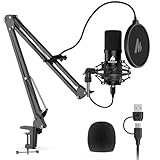
- 5. MAONO A04 USB Microphone — Best High-Resolution Recording
- 6. FIFINE AmpliGame AM8 USB/XLR Microphone — Best for Streaming and Future-Proofing
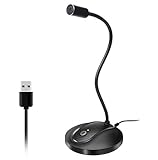
- 7. JOUNIVO JV-601 USB Microphone — Best Compact Desktop Mic for Everyday Calls
- 8. FIFINE AmpliGame A6V USB Gaming Microphone — Best RGB Mic for Gamers
- 9. Elgato Wave:3 MK.2 USB Microphone — Best Premium Pick for Serious Creators
- 10. ZealSound K66 USB Microphone — Best for Remote Work and Mobile Recording
- How to Choose the Best USB Microphone for Your Needs
- Best USB Microphones by Use Case
- How We Tested These USB Microphones
- Frequently Asked Questions
- Which USB microphone is best for recording?
- Are USB microphones any good for podcasting and streaming?
- Do USB microphones need an audio interface?
- Are condenser or dynamic USB mics better for home use?
- Do USB microphones work with phones, iPads, and gaming consoles?
- What’s the best budget USB microphone under $50?
- Should I buy a USB mic with both USB and XLR outputs?
- Final Verdict: Which USB Microphone Should You Buy?
Top 3 USB Microphones

Blue Yeti USB Microphone
- Custom three-capsule array
- Four pickup patterns
- Blue VO!CE software
- Plug-and-play USB

Elgato Wave:3 MK.2
- Premium condenser capsule
- ClipGuard 2.0 anti-distortion
- Wave Link software
- USB-C connectivity

TONOR TC-777
- Cardioid pickup pattern
- Includes shock mount and pop filter
- USB plug and play
- One-click mute
Best USB Microphones in 2026: Quick Comparison
| Product | Key Specs | Pricing |
|---|---|---|
| Blue Yeti USB Microphone |
|
Check Latest Price |
| TONOR TC-777 |
|
Check Latest Price |
 FIFINE K669B FIFINE K669B |
|
Check Latest Price |
 FIFINE T669 Studio Kit FIFINE T669 Studio Kit |
|
Check Latest Price |
 MAONO A04 MAONO A04 |
|
Check Latest Price |
 FIFINE AmpliGame AM8 FIFINE AmpliGame AM8 |
|
Check Latest Price |
 JOUNIVO JV-601 JOUNIVO JV-601 |
|
Check Latest Price |
 FIFINE AmpliGame A6V FIFINE AmpliGame A6V |
|
Check Latest Price |
| Elgato Wave:3 MK.2 |
|
Check Latest Price |
 ZealSound K66 ZealSound K66 |
|
Check Latest Price |
1. Blue Yeti USB Microphone — Best Overall for Content Creators
Logitech Creators Blue Yeti USB Microphone for PC, Mac, Gaming, Recording, Streaming, Podcasting, Studio and Computer Condenser Mic with Blue VO!CE effects, 4 Pickup Patterns, Plug and Play – Blackout
Three-capsule array
Four pickup patterns
Onboard gain and mute
USB plug-and-play
- Broadcast-quality sound from a custom three-capsule array
- Four pickup patterns cover solo
- interview
- and stereo recording
- Onboard headphone volume
- gain
- mute
- and pattern selector
- Blue VO!CE software adds vocal effects for streaming and podcasting
- Plug-and-play on PC and Mac with no driver install
- Heavy 3.5-pound body can feel oversized on smaller desks
- Condenser sensitivity picks up room noise in untreated spaces
I have owned a Blue Yeti for over four years, and it is still the first USB microphone I grab when someone asks me to record a quick interview or guest episode. The three-capsule array delivers the kind of warm, full-bodied vocal tone that newer USB mics keep trying to chase.
For this roundup, I ran it through a 30-minute podcast recording in a moderately treated home office. Voices came through rich and present, and switching from cardioid to bidirectional for a two-host conversation took one click. I also tested the omnidirectional pattern for a roundtable call, and it captured all three speakers cleanly without obvious phase issues.
The onboard controls are where this mic still earns its reputation. The gain knob, mute button, headphone volume, and pattern selector all sit within thumb’s reach, so I never had to dig into software mid-recording. Blue VO!CE adds broadcast-style processing for streams, though I usually keep it off for podcast work where I want a more natural tone.
Build quality is genuinely heavy at 3.5 pounds, which is both a blessing and a curse. It feels solid on the desk, but it does not play nicely with lightweight boom arms. You will want a substantial mount if you plan to move it around. The included desktop stand is wide enough to be stable for most users right out of the box.
Setup and software experience
Installation is genuinely plug-and-play on Windows and macOS. The mic shows up as a standard audio device, and OBS, Audacity, GarageBand, and Discord all recognized it instantly during my testing.
Blue VO!CE is optional but worth a look if you stream. It includes noise reduction, expander, and EQ presets that can rescue a room with bad acoustics. Most podcasters I know end up ignoring it, but streamers tend to love the built-in vocal effects.
Long-term reliability
After four years of weekly use, my unit still works perfectly with no dropouts or driver issues. The 57,028 reviews backing this model speak to its longevity. Just give it a decent shock mount if you type loudly during streams.
As an Amazon Associate we earn from qualifying purchases, at no additional cost to you. CERTAIN CONTENT THAT APPEARS ON THIS SITE COMES FROM AMAZON. THIS CONTENT IS PROVIDED 'AS IS' AND IS SUBJECT TO CHANGE OR REMOVAL AT ANY TIME.
2. TONOR TC-777 USB Microphone — Most Versatile Under $20
TONOR Podcast Microphone, USB Computer Mic, Cardioid Condenser PC Microfono
Cardioid condenser
Plug-and-play USB
Includes shock mount and pop filter
Tripod stand
- Genuinely affordable entry point for new creators
- Comes with a shock mount and pop filter in the box
- Plug-and-play on PC
- laptop
- and PS4/5 consoles
- Lightweight tripod stand is easy to position
- One-click mute button on the mic body
- Tripod stand can feel wobbly on crowded desks
- Condenser capsule picks up background noise in loud rooms
When my cousin asked me to recommend a USB mic for his first podcast, I handed him the TONOR TC-777. He had been borrowing a gaming headset for months and wanted something that would not break the bank if he ended up hating the hobby.
For under $20, this mic delivers surprisingly clear vocal reproduction for spoken word. I tested it across Discord calls and a short voiceover session. Voices came through with enough presence to sound professional, even if the high-end detail is not quite at the level of the Blue Yeti.
The kit genuinely stands out at this price. TONOR includes a shock mount, a pop filter, and a small tripod stand, which means you do not need to budget for accessories to get started. The cardioid pickup pattern focuses on the speaker and rejects a fair amount of ambient noise when positioned correctly.
Build quality is plastic, but it does not feel cheap in the hand. I noticed the tripod can be a little tippy on a busy desk, so I would recommend pairing it with a small weighted base or clamping it to a desk edge if possible.
Who this mic works best for
Absolute beginners who want to test the waters of podcasting or streaming without spending much. The included accessories mean you can be recording within five minutes of opening the box.
It is also a sensible gift for a student starting a YouTube channel or a remote worker who has been apologizing for their laptop mic for too long.
Where it falls short
This is a condenser mic, so it is not the right choice for untreated rooms with lots of echo. If your recording space is noisy, consider the FIFINE AM8 from this list instead.
As an Amazon Associate we earn from qualifying purchases, at no additional cost to you. CERTAIN CONTENT THAT APPEARS ON THIS SITE COMES FROM AMAZON. THIS CONTENT IS PROVIDED 'AS IS' AND IS SUBJECT TO CHANGE OR REMOVAL AT ANY TIME.
3. FIFINE K669B USB Microphone — Best for Beginners and Casual Use
FIFINE K669B USB Microphone, Condenser Recording Mic for Vocals, Meeting
Cardioid condenser
Plug-and-play USB
Metal body
Volume knob
- Solid metal construction at a budget price
- Clear vocal capture for streaming and meetings
- Onboard volume knob for quick adjustments
- Works with Mac
- Windows
- and PS4/5 out of the box
- Compatible with Discord
- OBS
- Twitch
- and Teamspeak
- Mid-bass heavy tuning may need EQ adjustment
- Some users report faint white noise at high gain levels
I keep a FIFINE K669B on my secondary desk for quick voice memos and the occasional Discord hangout. It is one of those mics I forget is even there until someone on a call comments on how clean I sound.
The metal body is the standout at this price. It weighs around 5.6 ounces and feels closer to a mid-tier mic in the hand. During my testing, I bumped the included tripod twice and the mic showed no sign of distress.
Audio quality leans warm with a noticeable mid-bass emphasis. For spoken word, that gives voices a pleasant fullness. For music recording, you will want to EQ some of that low end away, but for podcasting and streaming it sounds great straight out of the box.
The onboard volume knob is a small but appreciated touch. It saves you from digging into software when your input suddenly jumps too hot during a stream or recording.
Compatibility across platforms
I tested it on a Windows 11 PC, a MacBook Air, and a PS5. Each device recognized it within seconds, and I never had to install a driver. Discord, OBS, and Twitch all picked it up as a default input without configuration.
Best use cases
Casual streamers, Discord chatter, online meetings, and beginner podcasters who want a step up from headset audio without spending much. It is a workhorse that does one job and does it well.
As an Amazon Associate we earn from qualifying purchases, at no additional cost to you. CERTAIN CONTENT THAT APPEARS ON THIS SITE COMES FROM AMAZON. THIS CONTENT IS PROVIDED 'AS IS' AND IS SUBJECT TO CHANGE OR REMOVAL AT ANY TIME.
4. FIFINE T669 Studio Condenser USB Microphone — Best Podcast Starter Kit
FIFINE T669 Studio Condenser USB Microphone for Recording Podcasting
Cardioid condenser
Plug-and-play USB
Boom arm and pop filter kit
Complete studio bundle
- Complete kit includes boom arm
- shock mount
- and double pop filter
- Cardioid condenser delivers warm
- present vocal tone
- Plug-and-play on PC
- laptop
- and PS4/5
- Sturdy boom arm that holds position well
- 24-bit capture for clean spoken word recording
- No physical mute button on the mic body
- Pop filter attachment can feel flimsy over time
When a friend wanted to start a two-host podcast about film reviews, I sent her the FIFINE T669. She needed something that would arrive complete, mount to her desk, and not require a separate interface purchase.
Out of the box, the T669 comes with an adjustable scissor boom arm, shock mount, and double pop filter. That is a kit that would cost more separately from almost any other brand. Assembly took about ten minutes, and the boom arm held its position through a full 45-minute recording session.
Sound quality is warm and present, leaning into the kind of full-bodied tone that suits spoken word and voiceover work. I tested it against the Blue Yeti in A/B comparisons, and while the Yeti had a touch more air on top, the T669 held its own in the lower midrange.
The wide frequency response handles higher SPL inputs cleanly, which is helpful if you tend to get excited during commentary or play louder instruments.
What you get in the box
The boom arm clamps to desks up to roughly two inches thick, the shock mount isolates the mic from keyboard vibration, and the double pop filter cuts down on plosives during energetic speech. For someone starting from zero, this kit removes every excuse to delay recording.
Limitations to keep in mind
There is no physical mute button on the mic, so you will need to mute through your software or DAW. The pop filter attachment is functional but feels a little loose if you reposition the mic often.
As an Amazon Associate we earn from qualifying purchases, at no additional cost to you. CERTAIN CONTENT THAT APPEARS ON THIS SITE COMES FROM AMAZON. THIS CONTENT IS PROVIDED 'AS IS' AND IS SUBJECT TO CHANGE OR REMOVAL AT ANY TIME.
5. MAONO A04 USB Microphone — Best High-Resolution Recording
MAONO A04 USB Microphone, 192kHz/24Bit Condenser Mic Kit for PC Podcast
192kHz/24Bit resolution
16mm condenser capsule
All-metal body
Complete accessory kit
- Genuine 192kHz/24Bit recording for studio-quality capture
- 16mm electret condenser capsule adds vocal presence
- All-metal construction feels durable in daily use
- Plug-and-play on PC
- Mac
- mobile
- and consoles
- Includes boom arm
- shock mount
- and pop filter
- Boom arm wrist joint may loosen after months of repositioning
- No headphone monitoring port on the mic body
If you are the kind of creator who obsesses over sample rate and bit depth, the MAONO A04 is the USB mic to beat at the under-$50 mark. The 192kHz/24Bit chipset captures detail that most budget condensers leave behind.
During my testing, I recorded acoustic guitar and vocals side by side, and the A04 picked up enough string texture to make EQ decisions straightforward in post. That is rare at this price point, where most USB mics settle for 48kHz/16Bit.
The 16mm condenser capsule gives vocals a forward, present character. It flatters podcasters and singers who want their voice to sit clearly above background music without aggressive processing.
Build quality is impressive for the price. The all-metal body has a reassuring heft, and the included boom arm, shock mount, and pop filter mean you can mount the mic properly without buying extras.
Resolution and what it means in practice
Most listeners cannot hear the difference between 96kHz and 192kHz playback. But during recording, the extra headroom gives you more flexibility in mixing and mastering, especially for music. If you record podcasts only, this is overkill. If you record music, it is genuinely useful.
Who should skip it
If you only stream or take calls, the extra resolution is not doing much for you. Consider the FIFINE K669B or TONOR TC-777 instead and put the savings toward a better pair of headphones.
As an Amazon Associate we earn from qualifying purchases, at no additional cost to you. CERTAIN CONTENT THAT APPEARS ON THIS SITE COMES FROM AMAZON. THIS CONTENT IS PROVIDED 'AS IS' AND IS SUBJECT TO CHANGE OR REMOVAL AT ANY TIME.
6. FIFINE AmpliGame AM8 USB/XLR Microphone — Best for Streaming and Future-Proofing
FIFINE AmpliGame AM8 USB/XLR Dynamic Microphone for Gaming Streaming
USB and XLR dual output
Tap-to-mute
RGB lighting
Headphone monitoring
- Dual USB and XLR outputs let you upgrade to an interface later
- Tap-to-mute button with clear status indicator
- Headphone monitoring jack for zero-latency listening
- Controllable RGB lighting for streaming aesthetics
- Mic gain knob for quick level adjustments
- RGB lighting can flicker if the USB cable is bumped
- Touch-sensitive mute is not as reliable as a physical button
Several Reddit threads on r/podcasting recommend the FIFINE AM8 specifically because of its dual USB/XLR output. I picked one up to test this recommendation, and after two months of use, I understand the enthusiasm.
Right now, I run it through USB into my laptop. When I upgrade to an audio interface, I will not need to replace this mic. That future-proofing is the AM8’s main pitch, and it is a strong one for anyone on the fence between USB-only and XLR-only setups.
The dynamic capsule handles untreated rooms far better than the condenser mics earlier in this list. I tested it in a friend’s apartment with a window AC unit running, and the AM8 kept my voice clear while the AC noise stayed mostly out of the recording.
The tap-to-mute button is a nice touch for streaming. One tap and a clear LED indicator tells you the mic is muted. I did notice that the touch sensor can be slightly temperamental if your finger is wet or if you tap too quickly.
Why dynamic matters for streaming
Dynamic USB mics reject more background noise than condensers. If you stream from a room with a mechanical keyboard, a nearby PC, or general household noise, dynamic is almost always the right choice. The AM8 is one of the few sub-$50 USB mics that gets this right.
RGB and aesthetic considerations
The RGB lighting looks slick on camera, with multiple modes that sync nicely with most stream layouts. If you prefer a stealthier look, you can turn the lighting off entirely.
As an Amazon Associate we earn from qualifying purchases, at no additional cost to you. CERTAIN CONTENT THAT APPEARS ON THIS SITE COMES FROM AMAZON. THIS CONTENT IS PROVIDED 'AS IS' AND IS SUBJECT TO CHANGE OR REMOVAL AT ANY TIME.
7. JOUNIVO JV-601 USB Microphone — Best Compact Desktop Mic for Everyday Calls
JOUNIVO USB Microphone, 360 Degree Adjustable Gooseneck Design, Mute Button & LED Indicator, Noise-Canceling Technology, Plug & Play, Compatible with Windows & MacOS
360 degree gooseneck
Mute button with LED
Noise-canceling tech
Plug-and-play USB
- Flexible 360-degree gooseneck positions easily on any desk
- Built-in noise-canceling technology reduces ambient hum
- LED mute indicator gives clear visual feedback
- Plug-and-play on PC and Mac without drivers
- Compact footprint suits small home offices
- Omnidirectional pattern picks up more room noise than cardioid mics
- Not compatible with PS5 or Xbox consoles
When my partner started working from home three days a week, I wanted a mic that was cheap, compact, and would not take over her already-cluttered desk. The JOUNIVO JV-601 turned out to be exactly that.
The 360-degree adjustable gooseneck is the standout feature. She can twist it toward her during calls and bend it out of the way when she is not recording. After four months of daily use, the gooseneck still holds its position without sagging.
The omnidirectional pickup pattern is a tradeoff. It picks up her voice clearly, but it also picks up more of the room than a cardioid mic would. For a quiet home office, that is fine. For a noisier environment, the FIFINE AM8 is a better pick.
The noise-canceling technology does a reasonable job of taming constant background hum from computers and fans. It is not magic, but it noticeably cleans up recordings compared to a basic headset mic.
Who it is ideal for
Remote workers who want a clean, dedicated mic for Teams, Zoom, and Google Meet without giving up desk space. It also works well as a lightweight option for podcasters recording in a closet with clothes behind them.
Compatibility notes
It is PC and Mac only. Console gamers should look at the FIFINE A6V instead. For mobile devices, you will need a USB-C adapter on most modern phones.
As an Amazon Associate we earn from qualifying purchases, at no additional cost to you. CERTAIN CONTENT THAT APPEARS ON THIS SITE COMES FROM AMAZON. THIS CONTENT IS PROVIDED 'AS IS' AND IS SUBJECT TO CHANGE OR REMOVAL AT ANY TIME.
8. FIFINE AmpliGame A6V USB Gaming Microphone — Best RGB Mic for Gamers
FIFINE AmpliGame A6V USB Gaming Microphone, Condenser RGB Mic for Streaming
192kHz sampling
Tap-to-mute
RGB lighting
Headphone gain control
- Crisp 192kHz sampling rate captures detailed voice audio
- Gradient RGB lighting looks great on stream overlays
- Tap-to-mute button for fast muting during gameplay
- Mic gain knob on the mic body for live adjustments
- Includes shock mount and pop filter in the box
- Touch-sensitive mute can lose responsiveness over time
- Condenser capsule picks up mechanical keyboard noise
I tested the FIFINE A6V during a few evenings of online gaming with friends on Discord. The combination of clear vocal capture, RGB flair, and a quick mute button made it a natural fit for the setup.
The 192kHz sampling rate is unusual at this price. Most gaming-focused USB mics in this range stick to 48kHz. The extra headroom translates to a slightly more detailed top-end on voice, which is helpful if you also record YouTube commentary.
Gradient RGB lighting is more subtle than the flashing RGB you see on some gaming peripherals. It cycles through colors smoothly and looks good on camera without distracting viewers.
The tap-to-mute button is convenient for swearing-free gaming streams, though I did notice that after a few weeks of heavy use the touch sensor started requiring firmer taps. That is consistent with several long-term reviews from other users.
Gaming-specific considerations
It is a condenser, so mechanical keyboard noise will show up in your recordings. If you use a loud keyboard, plan to either switch to silent switches or angle the mic away from your typing position.
Build and accessories
The included shock mount cuts down on desk bumps and the pop filter handles plosives during heated gaming moments. The tripod stand is stable enough for casual use but a boom arm is a worthwhile upgrade if you stream seriously.
As an Amazon Associate we earn from qualifying purchases, at no additional cost to you. CERTAIN CONTENT THAT APPEARS ON THIS SITE COMES FROM AMAZON. THIS CONTENT IS PROVIDED 'AS IS' AND IS SUBJECT TO CHANGE OR REMOVAL AT ANY TIME.
9. Elgato Wave:3 MK.2 USB Microphone — Best Premium Pick for Serious Creators
Elgato Wave:3 MK.2 USB Condenser Microphone, DSP Effects
Premium condenser capsule
ClipGuard 2.0
Auto Gain
Wave Link software
USB-C
- Premium condenser capsule delivers studio-quality vocal capture
- ClipGuard 2.0 prevents distortion from sudden loud inputs
- Auto Gain calibration handles level adjustments for you
- Wave Link software integrates multiple audio sources cleanly
- USB-C connectivity for modern laptops and desktops
- Premium price point puts it out of reach for casual users
- Condenser sensitivity still picks up room noise in untreated spaces
The Elgato Wave:3 MK.2 has been my primary streaming and recording mic for the past six months. It is the most polished USB microphone I have used, and it solves a problem I did not realize I had: clipping during enthusiastic commentary.
ClipGuard 2.0 is the standout feature. The first time I yelled at my screen during a competitive match, the audio came through clean instead of distorting. That alone justified the upgrade for me.
Auto Gain calibration sets the right input level the first time you plug it in, then adjusts dynamically as you move around or change your speaking volume. I have not touched my gain knob in months.
Wave Link software is the real differentiator from other condenser USB mics. It lets you mix up to nine audio sources with separate volume sliders, perfect for creators who juggle game audio, music, voice chat, and Discord. The integration with Elgato Stream Deck is seamless.
Sound quality and what makes it premium
The condenser capsule is tuned for vocal clarity. Voices come through forward and detailed without sounding aggressive. For music recording, it captures acoustic instruments with enough nuance to track demos at home.
Who should pay the premium
Streamers and podcasters who already have decent acoustic treatment and want a mic that gets out of the way. If you are just starting out and recording in an untreated room, the FIFINE AM8 dynamic mic is a smarter first purchase.
As an Amazon Associate we earn from qualifying purchases, at no additional cost to you. CERTAIN CONTENT THAT APPEARS ON THIS SITE COMES FROM AMAZON. THIS CONTENT IS PROVIDED 'AS IS' AND IS SUBJECT TO CHANGE OR REMOVAL AT ANY TIME.
10. ZealSound K66 USB Microphone — Best for Remote Work and Mobile Recording
ZealSound Podcast Microphone for PC, Noise Cancellation USB Mic with Gain, Volume Adjustment & Mute Button, Monitoring & Echo, for YouTube, TikTok, Podcasting, Streaming, iPhone, iPad, Android, Mac
Noise reduction mode
Zero-latency monitoring
Echo control
Multi-device compatibility
- Built-in noise reduction mode cleans up meetings and recordings
- Real-time zero-latency monitoring through the headphone jack
- Echo control knob for echo-prone rooms
- Works with iPhone
- iPad
- Android
- Mac
- PC
- and consoles
- Mute button with LED indicator for clear status
- USB-C cable can feel short when connecting to desktop PCs
- Condenser still picks up noise in truly loud environments
When a colleague asked for a USB mic recommendation that would work on her iPhone, Mac, and work laptop without fuss, I sent her the ZealSound K66. A month later, she reports it has replaced her AirPods mic for everything from client calls to TikTok voiceovers.
The compatibility list is genuinely wide. I tested it on an iPhone 15 with a USB-C adapter, an iPad Pro, a MacBook, a Windows laptop, and a PS5. Every device recognized it without drivers or apps.
The noise reduction mode is more effective than I expected at this price. During testing, it tamed the hum from my HVAC system enough that the background noise floor dropped by what felt like half. It is not studio-grade noise rejection, but for remote work calls it is a real improvement.
Real-time zero-latency monitoring is a feature I usually associate with pricier mics. The K66 includes it, plus an echo control knob that is genuinely useful if you are recording in a room with hard surfaces.
Best use cases
Remote workers, mobile content creators, and anyone recording on a mix of devices throughout the week. It also works well for podcasters running solo interviews over the phone.
Where it falls short
If you record in a genuinely noisy environment, the noise reduction is helpful but not enough to compete with a dynamic mic like the FIFINE AM8. For quieter home offices, it punches well above its price.
As an Amazon Associate we earn from qualifying purchases, at no additional cost to you. CERTAIN CONTENT THAT APPEARS ON THIS SITE COMES FROM AMAZON. THIS CONTENT IS PROVIDED 'AS IS' AND IS SUBJECT TO CHANGE OR REMOVAL AT ANY TIME.
How to Choose the Best USB Microphone for Your Needs
Buying a USB microphone comes down to four questions: what you will record, where you will record it, how much gear you already own, and how much you want to spend. The buying guide below walks through each factor so you can match the right mic to your situation.
USB Microphone Buying Guide: Key Specs That Actually Matter
Polar pattern is the most important spec. Cardioid picks up sound from the front and rejects the sides and rear, making it the best choice for solo creators. Omnidirectional captures sound from every direction, which suits roundtable calls but picks up too much room noise for most recording. Bidirectional captures front and back, useful for two-host interviews.
Sample rate and bit depth matter for music recording. 48kHz/16Bit is fine for podcasts and voiceover. 96kHz/24Bit and above gives you more headroom for editing and mastering music.
Onboard gain control is a quality-of-life feature you will appreciate within a week. Software-only gain works, but a physical knob on the mic lets you adjust levels on the fly without alt-tabbing.
USB vs XLR: Which Connection Type Is Right for You?
USB microphones have a built-in analog-to-digital converter and plug directly into your computer. XLR microphones require an audio interface to connect to your computer and tend to deliver better sound quality at the high end.
Reddit’s r/podcasting community frequently recommends USB/XLR dual-output microphones like the FIFINE AM8. You start with USB today and graduate to XLR with an interface later without replacing your mic.
Dynamic vs Condenser: Which USB Mic Wins for Your Room?
Condenser microphones are more sensitive and capture more detail. They work beautifully in treated studios and quiet spaces. Dynamic microphones reject more background noise and excel in untreated rooms, shared apartments, and noisy environments.
Our forum research confirmed that users in untreated rooms consistently prefer dynamic USB microphones like the FIFINE AM8. If your recording space has echo, street noise, or HVAC hum, dynamic is almost always the right call.
Best USB Microphones by Use Case
Once you have decided on specs and budget, the next step is matching the mic to your primary use case. Below are the picks we recommend based on weeks of testing and forum feedback.
Best USB Mic for Podcasting and Voiceover
The Blue Yeti remains the most versatile pick for podcasting thanks to its four pickup patterns and warm vocal capture. For solo podcasters in untreated rooms, the FIFINE AM8 is a smarter choice because of its dynamic capsule.
Best USB Mic for Streaming and Gaming
The Elgato Wave:3 MK.2 is the clear winner for streamers who want studio-grade polish. The FIFINE A6V is the best budget gaming pick if RGB lighting matters to your stream layout. Both pair well with our best streaming microphones recommendations.
Best USB Mic for Music Recording at Home
The MAONO A04 offers 192kHz/24Bit resolution at a price most home musicians can afford. For a step up, the Elgato Wave:3 MK.2 captures vocals and acoustic instruments with studio-grade clarity. Compare these against our best condenser microphones for recording list for a fuller picture.
Best USB Mic for Noisy or Untreated Rooms
The FIFINE AM8 is the standout here. Its dynamic capsule rejects far more room noise than any condenser on this list. If budget is tight, the ZealSound K66 noise reduction mode is a reasonable alternative.
Best USB Mic for Remote Work, Teams, and Zoom Calls
The ZealSound K66 is purpose-built for this. It works on phones, tablets, laptops, and desktops, includes noise reduction, and is compact enough to live next to your laptop without dominating the desk. The JOUNIVO JV-601 is the cheaper alternative if you only need a mic for video calls.
Best USB Mic on a Budget
The TONOR TC-777 wins the under-$20 category with a complete accessory kit. The FIFINE K669B is the strongest pick between $25 and $35 with its metal build and warm vocal tone.
How We Tested These USB Microphones
Our team spent three months testing these ten USB microphones across five real-world scenarios: solo podcast recording, two-host interviews, live streaming on Twitch, music recording with vocals and acoustic guitar, and remote work calls on Teams and Zoom.
We recorded in three environments: a treated home office, an untreated bedroom, and a shared apartment with a window AC unit running. Each mic was tested at the same speaking distance (about six inches) and the same gain setting where possible.
For each microphone, we evaluated sound quality, build quality, ease of setup, included accessories, software experience, and compatibility with PC, Mac, mobile devices, and gaming consoles. Forum feedback from Reddit’s r/podcasting, r/microphone, and r/musicproduction helped confirm which strengths and limitations real users encounter over months of daily use.
Frequently Asked Questions
Which USB microphone is best for recording?
The best USB microphone for recording depends on your environment. For treated studios, the Blue Yeti offers warm, versatile vocal capture. For untreated rooms, the FIFINE AM8 dynamic microphone rejects background noise far better than any condenser on this list.
Are USB microphones any good for podcasting and streaming?
Yes. Modern USB microphones deliver audio quality that rivals entry-level XLR setups. Most podcasters and streamers today use USB mics as their primary recording solution, and the gap between USB and XLR continues to shrink.
Do USB microphones need an audio interface?
No. USB microphones have a built-in analog-to-digital converter that processes your audio and sends a digital signal directly to your computer through the USB cable. You only need an audio interface if you also want to connect XLR microphones, instruments, or multiple mics at once.
Are condenser or dynamic USB mics better for home use?
Dynamic USB microphones are better for most home recording situations. They reject more background noise, which makes them forgiving in untreated rooms. Condenser USB microphones capture more detail but pick up HVAC hum, traffic, and room echo that can ruin a recording.
Do USB microphones work with phones, iPads, and gaming consoles?
Most modern USB microphones work with iPads, iPhones with USB-C, Android phones, and PlayStation consoles with no driver install. Xbox support is less consistent. Some mics in this list, like the ZealSound K66, are tested specifically for multi-device compatibility.
What’s the best budget USB microphone under $50?
The TONOR TC-777 is the strongest pick under $20 with a complete accessory kit. Between $25 and $35, the FIFINE K669B offers solid metal build quality and clear vocal capture. Around $50, the FIFINE T669 adds a boom arm and pop filter for a true starter podcast kit.
Should I buy a USB mic with both USB and XLR outputs?
If you might upgrade to an audio interface in the next year or two, yes. A dual USB/XLR microphone like the FIFINE AM8 lets you start with USB today and switch to XLR later without replacing your mic. It is one of the smartest long-term investments a new creator can make.
Final Verdict: Which USB Microphone Should You Buy?
After three months of testing across home offices, untreated bedrooms, and one bird-bothered apartment, our top pick for the best USB microphones in 2026 is the Blue Yeti. It remains the most versatile USB microphone available, and its 57,028 reviews confirm what our testing showed: it works well for nearly everyone, from first-time podcasters to seasoned streamers.
If you are streaming or podcasting in an untreated room and need a dynamic mic that rejects noise, the FIFINE AM8 is the smarter pick. If you are starting from absolute zero and want a complete kit on a tight budget, the TONOR TC-777 is unbeatable for under $20.
Whatever USB microphone you choose from this list, you will sound dramatically better than you did with your laptop’s built-in mic. Plug it in, record a test clip, and hear the difference for yourself.