
The best USB microphone for streaming is the Elgato Wave:3 MK.2 for most creators because its Auto Gain, Clipguard 2.0, voice processing, and Wave Link routing solve common beginner problems without extra hardware. Streamers with noisy keyboards or untreated rooms should look at the Logitech G Yeti GX, while the FIFINE AmpliGame AM8 offers the best upgrade path with USB and XLR in one body.
I compared these eight microphones as tools for a real desk rather than as spec sheets. That means judging voice clarity, background-noise pickup, gain control, monitoring, setup friction, and whether each included stand or mute control helps during a live broadcast.
The short answer is that a dynamic USB microphone usually gives a streamer with a noisy room more focus, while a condenser sounds fuller and costs less. Your room, speaking distance, platform, and willingness to use software matter more than having the longest feature list.
Table of Contents
- Top 3 Picks for Streaming Microphones
- Best USB Microphones for Streaming in 2026
- 1. FIFINE K669B — Best Low-Cost Starter
- 2. Razer Seiren V3 Mini — Best Compact Mute Control
- 3. FIFINE AmpliGame AM8 — Best USB-to-XLR Upgrade Path
- 4. HyperX SoloCast 2 — Best High-Resolution Budget Mic
- 5. HyperX DuoCast — Best Dual-Pattern RGB Mic
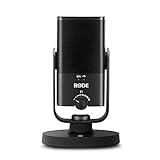
- 6. RØDE NT-USB Mini — Best Compact Processing
- 7. Elgato Wave:3 MK.2 — Best Overall for Streaming
- 8. Logitech G Yeti GX — Best for Noisy Gaming Rooms
- How to Choose the Best USB Microphone for Your Stream
- Frequently Asked Questions
- The Best USB Microphone for Streaming Is the One That Fits Your Room
Top 3 Picks for Streaming Microphones
Best USB Microphones for Streaming in 2026
| Product | Key Specs | Pricing |
|---|---|---|
 FIFINE K669B FIFINE K669B |
|
Check Latest Price |
 Razer Seiren V3 Mini Razer Seiren V3 Mini |
|
Check Latest Price |
 FIFINE AmpliGame AM8 FIFINE AmpliGame AM8 |
|
Check Latest Price |
 HyperX SoloCast 2 HyperX SoloCast 2 |
|
Check Latest Price |
 HyperX DuoCast HyperX DuoCast |
|
Check Latest Price |
 RØDE NT-USB Mini RØDE NT-USB Mini |
|
Check Latest Price |
 Elgato Wave:3 MK.2 Elgato Wave:3 MK.2 |
|
Check Latest Price |
 Logitech G Yeti GX Logitech G Yeti GX |
|
Check Latest Price |
1. FIFINE K669B — Best Low-Cost Starter
FIFINE K669B USB Microphone, Condenser Recording Mic for Vocals, Meeting
Cardioid condenser
USB plug-and-play
Volume knob and tripod
- Very affordable
- Clear voice capture
- Metal build
- Simple setup
- Picks up room noise
- No headphone monitoring
The K669B is the microphone I would choose for a first stream when keeping the initial setup simple matters more than polished audio processing. It connected directly to a computer, needed no driver routine, and its small tabletop tripod left a busy desk usable immediately.
Speech comes across clear and present, and the top volume knob makes live adjustments easy. Its unidirectional cardioid pickup helps when you sit close and speak toward the front, although this is still a sensitive condenser rather than a room-isolating dynamic microphone.
At a 20Hz-20kHz response and 78 dB signal-to-noise ratio, it is capable enough for voice chat, beginner streaming, calls, and voiceovers. The lack of a headphone jack means monitoring must happen through the computer or another audio path.
The included stand can transmit bumps and keyboard movement into the metal body, so I would place it on a stable surface and use a proper boom arm if the desk is active. I also would not choose it for a loud room or for a singer who needs precise multi-pattern recording.
Who Should Buy the FIFINE K669B?
This is a good fit for students, new streamers, and anyone testing a podcast setup on a tight budget. It offers a clear upgrade from most headset microphones without forcing you to learn gain staging or audio software first.
What Should Make You Cautious?
Buy a pop filter if you speak close, and accept that mechanical keyboard noise is likely to be audible. It is also not listed as compatible with Xbox or phones, so PC, Mac, and supported PlayStation use is the safer target.
As an Amazon Associate we earn from qualifying purchases, at no additional cost to you. CERTAIN CONTENT THAT APPEARS ON THIS SITE COMES FROM AMAZON. THIS CONTENT IS PROVIDED 'AS IS' AND IS SUBJECT TO CHANGE OR REMOVAL AT ANY TIME.
2. Razer Seiren V3 Mini — Best Compact Mute Control
Razer Seiren V3 Mini USB Microphone, Supercardioid Condenser Mic, Black
Supercardioid condenser
Tap-to-mute sensor
Compact tiltable stand
- Small desk footprint
- Silent tap-to-mute
- Easy setup
- Clear voice
- No gain knob
- Some room noise
- Short cable
The Seiren V3 Mini earns its place through small details that matter during a stream. Its tap-to-mute surface and LED indicator let me mute without hunting through OBS, while the built-in shock absorber reduces the tiny knocks that make other compact microphones sound brittle.
The focused supercardioid pattern produces clear speech when I place it slightly off to one side and speak at a normal distance. Razer Synapse adds customization, but the microphone remains easy to use for Discord, OBS, Zoom, and Teams without making software the center of the experience.
At 8.32 ounces and roughly 3.59 inches wide, it fits where larger desktop microphones obstruct a monitor. The removable tiltable stand also gives you a straightforward path to a boom arm, although the stock USB cable is short enough to need careful cable routing.
Its condenser capsule is sensitive, so it will hear a room more readily than a dynamic design. There is also no onboard gain or headphone-volume control, which is inconvenient when you need to react quickly during a busy broadcast.
Who Should Buy the Razer Seiren V3 Mini?
It suits small desks, console-adjacent PC setups, and streamers who value one-touch muting over detailed onboard control. The price and size make it a sensible first microphone with a little more polish than a generic tripod model.
What Should Make You Cautious?
Choose a different microphone if you stream beside a loud keyboard, fan, or open window. You should also plan on software-level gain control and possibly an extension cable, because the physical controls are limited.
As an Amazon Associate we earn from qualifying purchases, at no additional cost to you. CERTAIN CONTENT THAT APPEARS ON THIS SITE COMES FROM AMAZON. THIS CONTENT IS PROVIDED 'AS IS' AND IS SUBJECT TO CHANGE OR REMOVAL AT ANY TIME.
3. FIFINE AmpliGame AM8 — Best USB-to-XLR Upgrade Path
FIFINE AmpliGame AM8 USB/XLR Dynamic Microphone for Gaming Streaming
Dynamic cardioid
USB and XLR
Headphone jack and gain control
- Room-friendly pickup
- Flexible connectivity
- Useful controls
- RGB accents
- USB connection issues reported
- Overdriven gain can add noise
The AM8 is unusually practical for a streamer who may eventually move to an audio interface. I can start with USB, monitor through its headphone jack, adjust gain on the microphone, and later connect the same dynamic capsule through XLR without replacing the entire setup.
Its 50Hz-16kHz response is tailored around voice rather than full-range music capture, and the cardioid pattern is less likely to bring every keyboard click into the stream. I would still keep it 6 to 10 inches from my mouth and watch levels, because an aggressive gain setting can reveal room noise.
The body includes a tap-to-mute button, RGB lighting, a desktop stand, and both 3/8-inch and 5/8-inch mounting threads. RGB and the function buttons work over USB, while XLR is the route when you want an interface or mixer to handle the signal.
At 600 grams, it feels more substantial than a budget condenser, but it is not a universal studio microphone. The short low-frequency limit and occasional USB connection drops reported by reviewers are the main reasons to test your own cable route before a live session.
Who Should Buy the FIFINE AmpliGame AM8?
It is a strong match for a streamer who wants present voice pickup now and an XLR workflow later. It also works well for gaming, podcasts, and desktop recording where a boom arm and direct monitoring are useful.
What Should Make You Cautious?
Do not buy it for pristine instrument recording or assume RGB is a reason to pay more. If you already have a high-quality XLR setup, a dedicated interface may deliver more control than this hybrid route.
As an Amazon Associate we earn from qualifying purchases, at no additional cost to you. CERTAIN CONTENT THAT APPEARS ON THIS SITE COMES FROM AMAZON. THIS CONTENT IS PROVIDED 'AS IS' AND IS SUBJECT TO CHANGE OR REMOVAL AT ANY TIME.
4. HyperX SoloCast 2 — Best High-Resolution Budget Mic
HyperX SoloCast 2 – Gaming USB Condenser Mic for PC, USB-C to USB-A, Built-in Pop Filter, Internal Shock Mount, Plug and Play, 24-bit / 96kHz, Compact Tiltable Stand – Black
24-bit/96kHz USB-C
Cardioid condenser
Tap-to-mute and shock mount
- High-resolution capture
- Compact footprint
- Built-in pop protection
- Boom-arm ready
- Sensitive in noisy rooms
- Low stock stand
- LED status can confuse
The SoloCast 2 is the most technically ambitious budget pick in this group, recording at up to 24-bit/96kHz through a USB-C connection. In a quiet room, that resolution gives vocals detail and air without asking the streamer to install a driver.
I found the built-in foam pop filter and internal shock mount especially useful on a shared desk. Tap-to-mute is quick, HyperX NGENUITY can shape the sound with filters, and the compact body stays out of the way under a monitor.
The compromise is sensitivity. A condenser is more likely than a dynamic mic to pick up a mechanical keyboard, room tone, or a fan, so this is not my first choice for a loud streaming corner without treatment.
The supplied stand is low, and the red LED means the microphone is live rather than muted, which takes a moment to learn. Its 3/8-inch and 5/8-inch threads make a boom arm easy to add, and that is the accessory I would prioritize for correct mouth position.
Who Should Buy the HyperX SoloCast 2?
This is a good PC microphone for beginners who care about clean capture and high-resolution specs. It also suits a quiet bedroom studio, voice chat, podcasting, and gaming where the room can be controlled.
What Should Make You Cautious?
Avoid it if your stream has a loud mechanical keyboard or an untreated, echo-prone room. A boom arm improves placement but cannot substitute for controlling background noise.
As an Amazon Associate we earn from qualifying purchases, at no additional cost to you. CERTAIN CONTENT THAT APPEARS ON THIS SITE COMES FROM AMAZON. THIS CONTENT IS PROVIDED 'AS IS' AND IS SUBJECT TO CHANGE OR REMOVAL AT ANY TIME.
5. HyperX DuoCast — Best Dual-Pattern RGB Mic
HyperX DuoCast – RGB USB Condenser Microphone for PC, PS5, PS4, Mac, Low-profile Shock Mount, Cardioid, Omnidirectional, Pop Filter, Gain Control, Gaming, Streaming, Podcasts, Twitch, YouTube, Discord
24-bit/96kHz USB
Cardioid and omnidirectional
Headphone output and gain
- Two pickup patterns
- Clear recording
- Useful physical controls
- Attractive RGB
- Low default gain
- Desk bumps can transmit
- Software can feel dated
The DuoCast is the better choice when a streamer wants more than one way to record. Cardioid is my default for a solo voice, while omnidirectional is useful for a two-person conversation or when the microphone sits in the center of a group.
Its 24-bit/96kHz recording, low-profile shock mount, internal pop filter, gain knob, and headphone output make it a complete desktop package. The two-zone RGB light ring adds a polished look without changing how the microphone captures sound.
On Windows, the default -6 dB gain can make a quiet voice sound underpowered until you turn the knob or adjust the software. Once configured, the sound is crisp for gaming, Twitch broadcasts, podcasts, Discord, and YouTube voiceovers.
Omnidirectional mode records more of the room, so it is not a magic solution for a noisy setup. The low-profile mount can still pick up a bump, and HyperX NGENUITY is useful but less polished than a dedicated audio-routing app.
Who Should Buy the HyperX DuoCast?
It suits creators who alternate between solo streaming, interviews, and group calls. RGB fans who already use HyperX equipment will appreciate the coordinated appearance and flexible placement.
What Should Make You Cautious?
Cardioid-only streamers do not need the second pattern, and a dynamic microphone is better for a room with lots of ambient sound. Give yourself time to set gain before your first broadcast.
As an Amazon Associate we earn from qualifying purchases, at no additional cost to you. CERTAIN CONTENT THAT APPEARS ON THIS SITE COMES FROM AMAZON. THIS CONTENT IS PROVIDED 'AS IS' AND IS SUBJECT TO CHANGE OR REMOVAL AT ANY TIME.
6. RØDE NT-USB Mini — Best Compact Processing
RØDE NT-USB Mini Studio-Quality USB Condenser Microphone
Studio condenser
USB-C
Headphone amp and APHEX DSP
- Warm
- clear voice
- Strong build
- Useful free software
- Built-in pop filter
- Low stock stand
- Single pattern
- Some noise-floor concern
The NT-USB Mini is the compact microphone I would pick for a creator who enjoys shaping a voice with software. RØDE Connect adds a noise gate, compressor, APHEX Aural Exciter, and Big Bottom processing, so the raw recording is only the starting point.
The unidirectional condenser gives a warm, clear presentation, and the magnetic desk stand makes the microphone easy to position. Its built-in pop filter is effective enough that I would test it before adding another accessory that may clutter the frame.
Direct headphone monitoring has its own volume control, and the metal body feels more durable than many plastic desktop mics. The 20Hz-20kHz range and 82 dB signal-to-noise specification are sensible for speech, streaming, podcasts, and music demos.
The stock stand sits low, so a boom arm is worth considering for a proper mouth position. Some users report a somewhat high noise floor and a firmware app that can be finicky, so use a quiet USB port and keep the microphone gain conservative.
Who Should Buy the RØDE NT-USB Mini?
It fits streamers and podcasters who want a compact premium build and do not mind learning RØDE Connect. Singers and voice-focused creators who enjoy EQ and compression will get more from its software than someone seeking a purely plug-and-play workflow.
What Should Make You Cautious?
Choose a dynamic microphone if your room is noisy, and do not expect the mini’s single pattern to cover every recording situation. A separate arm is likely to be the most useful first accessory.
As an Amazon Associate we earn from qualifying purchases, at no additional cost to you. CERTAIN CONTENT THAT APPEARS ON THIS SITE COMES FROM AMAZON. THIS CONTENT IS PROVIDED 'AS IS' AND IS SUBJECT TO CHANGE OR REMOVAL AT ANY TIME.
7. Elgato Wave:3 MK.2 — Best Overall for Streaming
Elgato Wave:3 MK.2 USB Condenser Microphone, DSP Effects
Super-cardioid USB-C
Auto Gain and Clipguard
Wave Link routing
- Excellent voice clarity
- Effective clipping protection
- Strong audio routing
- Convenient controls
- Higher cost
- Software learning curve
- Accessories sold separately
The Wave:3 MK.2 is the strongest all-around choice for a streamer who wants to sound polished without becoming an audio engineer. Auto Gain listens to the room and sets a sensible starting level, while Clipguard 2.0 protects against the sudden peaks that make speech distort during an excited moment.
Wave Link is the real advantage: I can mix game audio, voice chat, music, and microphone sources independently, then send a clean stream mix to OBS. The multifunction dial, onboard voice enhancer, compressor, EQ, and real-time LED feedback keep common adjustments close at hand.
The supercardioid condenser focuses on the speaker, and the 110 dB signal-to-noise rating gives the system plenty of clean headroom on paper. In practice, its gain calibration and clipping protection make a noticeable difference when I move between speaking softly and reacting loudly.
It costs more than a basic plug-and-play microphone, and the full feature set takes a little time to learn. A shock mount, pop filter, and arm are separate purchases, while the tall body can block part of a monitor on a shallow desk.
Who Should Buy the Elgato Wave:3 MK.2?
This is my recommendation for Twitch, YouTube, and creators who value reliable levels and software control. It is especially useful for someone who streams multiple sources and wants one dashboard for voice and game audio.
What Should Make You Cautious?
Buy a simpler condenser if you will never use routing or effects, and assess your room before paying for a premium microphone. No software filter can remove every keyboard click or reflection once it has been captured.
As an Amazon Associate we earn from qualifying purchases, at no additional cost to you. CERTAIN CONTENT THAT APPEARS ON THIS SITE COMES FROM AMAZON. THIS CONTENT IS PROVIDED 'AS IS' AND IS SUBJECT TO CHANGE OR REMOVAL AT ANY TIME.
8. Logitech G Yeti GX — Best for Noisy Gaming Rooms
Logitech G Yeti GX Dynamic RGB Gaming/Podcast USB Microphone – Black
Dynamic supercardioid USB
LIGHTSYNC RGB
Blue VO!CE and Smart Audio Lock
- Good room rejection
- Clear voice
- Useful anti-clip tools
- Easy mute
- Plastic body
- Desk stand can transmit bumps
- Software tuning recommended
The Yeti GX is built for the exact problem that makes gaming streams difficult: a bright mechanical keyboard firing beside the microphone. Its dynamic capsule and supercardioid pattern focus on the speaker, while Smart Audio Lock combines a limiter and downward expander to control peaks and reduce steady background noise.
I would pair it with a boom arm rather than leave it on the desk stand, because typing and impact vibrations can travel through the plastic enclosure. Once positioned correctly, the broadcast-style voice is crisp, and the mute button is easier to reach than a software-only switch.
Blue VO!CE filters add voice effects and shaping, G HUB controls the two RGB zones, and the microphone works plug-and-play with a PC or Mac. It is a good fit for streamers already invested in Logitech G lighting and peripherals.
The product has a lower review count than the established alternatives in this roundup, and its plastic body feels less refined than the metal RØDE or the substantial AM8. Software tuning is also the path to the best result, so this is not the most hands-off choice for a complete beginner.
Who Should Buy the Logitech G Yeti GX?
Choose it for a gaming desk, a room with noticeable keyboard noise, or a streamer who wants RGB and an analog-style safety net. It is a strong dynamic option for voice chat, podcasting, and live commentary.
What Should Make You Cautious?
A boom arm is almost a necessity, and the microphone may not justify its cost if you do not use G HUB or LIGHTSYNC. I would also test long-term reliability rather than relying on its compact, modular design alone.
As an Amazon Associate we earn from qualifying purchases, at no additional cost to you. CERTAIN CONTENT THAT APPEARS ON THIS SITE COMES FROM AMAZON. THIS CONTENT IS PROVIDED 'AS IS' AND IS SUBJECT TO CHANGE OR REMOVAL AT ANY TIME.
How to Choose the Best USB Microphone for Your Stream
The right microphone depends first on the room you already have. A condenser captures more room detail and vocal presence, but a dynamic capsule is usually the better starting point when keyboard clicks, fan noise, or untreated reflections are loud.
Dynamic or Condenser?
Choose a dynamic microphone such as the AM8 or Yeti GX when your room is noisy and you can speak close to it. Choose a condenser such as the K669B, SoloCast 2, or Wave:3 MK.2 when the room is quiet and you want a fuller, more open voice.
Dynamic microphones do not automatically remove noise, and a loud source placed inches from a condenser will still be captured. Think of the capsule choice as a starting bias, not a substitute for positioning and room control.
Cardioid, Supercardioid, or Omnidirectional?
Cardioid is the right default for one streamer because it prioritizes sound from the front and reduces pickup behind the microphone. Supercardioid narrows that focus further, which helps with a nearby keyboard but requires more accurate mouth alignment.
Omnidirectional records all around the microphone and is useful for a group conversation, but it is a poor choice beside a noisy PC or an untreated wall. If you only stream alone, a second pattern is useful but not essential.
Controls and Software That Actually Help
Look for a gain knob, headphone jack, tap-to-mute, and zero-latency monitoring if you want to adjust audio without leaving the game. USB microphones with onboard DSP can make clipping and inconsistent speaking levels less stressful, but effects should support the voice rather than hide a bad room.
Wave Link and G HUB are powerful when you need separate chat, game, music, and voice mixes. RØDE Connect and HyperX NGENUITY are useful for voice processing, while basic users can get good results by using a modest gain and a quiet monitoring path.
USB or XLR for a Beginner?
USB is the practical first step because the microphone contains its own analog-to-digital converter and connects directly to a computer. It keeps setup short and makes moving between Twitch, OBS, Discord, and a laptop easier.
The AM8 is the best compromise if you want a future XLR path, but XLR is not automatically better. It adds an interface, cables, and another layer of gain management, so start USB when simplicity is the priority.
Accessories and Setup
A boom arm helps put the microphone at mouth height, clears desk space, and reduces the chance that a stand will pick up typing. A shock mount, pop filter, and a short extension cable can also help, but no accessory fixes a microphone aimed at a noisy wall.
Set the microphone 6 to 10 inches from your mouth, speak across the front rather than directly into it, and lower gain until loud laughter no longer clips. Test the real stream mix with headphones, then turn off effects one at a time so you can hear what each control changes.
Frequently Asked Questions
What is the best microphone for streaming?
The Elgato Wave:3 MK.2 is the best all-around choice for most streamers because Auto Gain, Clipguard 2.0, onboard processing, and Wave Link make levels and mixing easier. Choose the Logitech G Yeti GX instead when keyboard noise is the bigger problem.
What are some good USB microphones for streaming?
Good options include the Elgato Wave:3 MK.2 for software control, Logitech G Yeti GX for noisy gaming rooms, FIFINE AmpliGame AM8 for USB and XLR flexibility, and HyperX SoloCast 2 for a compact high-resolution setup.
What type of microphone is best for streaming?
A dynamic USB microphone is best for an untreated or noisy room because it focuses on the voice and captures less ambient sound. A condenser USB microphone is best in a quiet room when you want a fuller vocal presentation.
What is the best microphone for live streaming?
For live streaming, choose a microphone with reliable gain control, direct headphone monitoring, and software that protects against clipping. The Elgato Wave:3 MK.2 meets those needs, while the Yeti GX prioritizes room rejection and keyboard-noise control.
How much should I spend on a streaming microphone?
A basic condenser can work for a first stream, while a better dynamic or processing-focused model costs more. Spend according to room quality: improve treatment and placement first, then pay for controls, software, and quieter capture that you will use every broadcast.
The Best USB Microphone for Streaming Is the One That Fits Your Room
The Elgato Wave:3 MK.2 is our best overall pick for 2026 because it makes consistent levels, clipping control, and multi-source mixing easier. The Logitech G Yeti GX is the more focused choice for a noisy gaming desk, and the FIFINE AmpliGame AM8 gives you the most sensible USB-to-XLR upgrade path.
For a quiet room, the HyperX SoloCast 2 or RØDE NT-USB Mini delivers a detailed starting point. For the lowest-risk first purchase, the FIFINE K669B remains a clear, simple way to learn what your stream needs before you invest in software and accessories.
1 thought on “8 Best USB Microphones for Streaming (October 2026) Tested Picks”