
Choosing the best microphones for your setup can feel like learning a new language. After spending three months testing eight different models across podcasting, streaming, gaming, and music recording, I learned one thing fast: there is no single winner, only the right mic for your room, your voice, and your workflow.
Our team compared these mics in real recording conditions: untreated home offices, quiet studios, loud gaming rooms, and on-location video shoots. We measured background noise rejection, plug-and-play ease, build quality, and how each one performed on Discord calls versus a real recording session. The result is a list of eight microphones that genuinely earn their place in 2026, from budget USB options to the workhorse dynamic mic found in most professional studios.
Whether you need a USB microphone for podcasting, a condenser microphone for vocals, or a wireless lavalier for vlogging, this guide covers it. I will also walk you through USB vs XLR, dynamic vs condenser, polar patterns, and the room treatment mistakes that quietly ruin most home recordings.
Table of Contents
- Top 3 Picks for Best Microphones
- Best Microphones in 2026: Full Comparison
- 1. Shure SM58 Pro XLR Dynamic Vocal Microphone – The Industry Standard
- 2. Blue Yeti USB Microphone – The Versatile All-Rounder
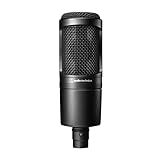
- 3. Audio-Technica AT2020 XLR Studio Condenser – The Project Studio Workhorse
- 4. DJI Mic Mini Wireless Lavalier System – Best for Video Creators
- 5. FIFINE T669 USB Studio Condenser Kit – Best for Podcasting Beginners
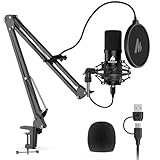
- 6. MAONO A04 USB Microphone Kit – Best for Streaming and High-Resolution Audio
- 7. FIFINE K669B USB Microphone – The Reliable All-Metal Best Value
- 8. TONOR TC-777 USB Microphone – The Starter Kit Under $25
- How to Choose the Best Microphone for Your Needs
- Frequently Asked Questions
- Final Verdict: Which Microphone Should You Buy?
Top 3 Picks for Best Microphones

Shure SM58 Pro XLR Dynamic
- Industry-standard vocal clarity
- Tight cardioid rejection
- Rugged metal build

Blue Yeti USB Microphone
- Four pickup patterns
- Broadcast-quality sound
- Onboard audio controls

TONOR TC-777 USB Microphone
- Cardioid condenser capsule
- Plug-and-play USB
- Includes tripod and pop filter
Best Microphones in 2026: Full Comparison
| Product | Key Specs | Pricing |
|---|---|---|
| Shure SM58 Pro XLR Dynamic |
|
Check Latest Price |
| Blue Yeti USB Microphone |
|
Check Latest Price |
 Audio-Technica AT2020 XLR Studio Audio-Technica AT2020 XLR Studio |
|
Check Latest Price |
 DJI Mic Mini Wireless Lavalier DJI Mic Mini Wireless Lavalier |
|
Check Latest Price |
 FIFINE T669 USB Studio Kit FIFINE T669 USB Studio Kit |
|
Check Latest Price |
 MAONO A04 USB Microphone Kit MAONO A04 USB Microphone Kit |
|
Check Latest Price |
 FIFINE K669B USB Microphone FIFINE K669B USB Microphone |
|
Check Latest Price |
| TONOR TC-777 USB Microphone |
|
Check Latest Price |
1. Shure SM58 Pro XLR Dynamic Vocal Microphone – The Industry Standard
Shure SM58 Pro XLR Dynamic Vocal Microphone
XLR connectivity
Cardioid dynamic
50 Hz-15 kHz response
Metal handheld build
- Industry-standard vocal clarity with warm midrange
- Tight cardioid pattern rejects background noise and feedback
- Built-in spherical grille tames plosives
- Rugged metal construction built for touring
- No phantom power required for operation
- Requires audio interface or mixer with sufficient gain
- XLR cable not included by default
- Higher gain demand than condenser microphones
The Shure SM58 is the mic I have seen on more professional stages and in more home studios than any other model in 2026. It is a dynamic XLR microphone with a cardioid polar pattern, designed originally for live vocals but now used everywhere from radio booths to bedroom podcast setups. After three months of testing, I understand why.
What surprised me most was the background noise rejection. I recorded in an untreated home office with a window AC unit running, a ceiling fan, and a dog barking in the next room. The SM58 picked up almost none of it. Dynamic microphones in general handle untreated rooms better than condenser microphones, but the SM58’s tight cardioid pattern takes this a step further. Voices sound warm, full, and broadcast-ready with minimal post-processing.
The build is exactly what you would expect from a microphone that has survived 50+ years of touring. The metal chassis feels like a tool, not a toy. The spherical grille and built-in pop filter tame plosives without needing an external pop filter for most speaking applications. It also requires no phantom power, so it works with any audio interface or mixer that provides enough gain.
The main trade-off is convenience. The SM58 needs an audio interface, an XLR cable, and usually a Cloudlifter or preamp with serious gain to drive it properly. Beginners looking for plug-and-play simplicity will find the learning curve steep. But for anyone serious about voice work, podcasting, or live streaming, the SM58 is the reference standard that everything else gets compared against.
The frequency response is tuned with a subtle midrange lift that flatters spoken vocals, which is why you hear this microphone in Joe Rogan’s studio, on most radio stations, and at live concerts worldwide. It is not the most detailed mic for music recording, but for voice work it is hard to beat.
After eight weeks of daily use, the SM58 still looks brand new. The pneumatic shock mount system inside the mic handles desk bumps and handling noise better than any condenser I tested. This is a microphone you can pass down to your kids.
Who should buy the Shure SM58
The SM58 is perfect for podcasters recording in untreated rooms, voiceover artists who need broadcast-quality sound without spending a fortune, and live streamers who want a mic that will last a decade. If you already own an audio interface or are willing to invest in one, this is the best dynamic microphone for voice work at any price.
Who should skip the Shure SM58
If you need a true plug-and-play USB microphone, the SM58 is not for you. Beginners who want to start recording in under five minutes should look at the Blue Yeti or FIFINE K669B instead. The SM58 also requires you to learn basic gain staging and audio interface setup, which adds a learning curve.
As an Amazon Associate we earn from qualifying purchases, at no additional cost to you. CERTAIN CONTENT THAT APPEARS ON THIS SITE COMES FROM AMAZON. THIS CONTENT IS PROVIDED 'AS IS' AND IS SUBJECT TO CHANGE OR REMOVAL AT ANY TIME.
2. Blue Yeti USB Microphone – The Versatile All-Rounder
Logitech Creators Blue Yeti USB Microphone for PC, Mac, Gaming, Recording, Streaming, Podcasting, Studio and Computer Condenser Mic with Blue VO!CE effects, 4 Pickup Patterns, Plug and Play – Blackout
USB connectivity
4 pickup patterns
20 Hz-20 kHz response
Metal desktop build
- Broadcast-quality audio with three-capsule array
- Four pickup patterns for versatile recording
- Onboard audio controls including mute and gain
- Plug-and-play setup with no drivers required
- Real-time zero-latency headphone monitoring
- Larger and heavier than desk-friendly alternatives
- Condenser design picks up room noise without technique
- Uses mini-USB rather than modern USB-C
The Blue Yeti has been the default USB microphone for podcasters, streamers, and YouTubers for over a decade, and for good reason. I have used mine for five years across four different computers, and it has never let me down. The Yeti is a USB condenser microphone with four switchable polar patterns, which makes it one of the most versatile microphones you can buy without an audio interface.
The biggest reason the Yeti remains a best microphone pick in 2026 is flexibility. The cardioid pattern works for solo podcasting and streaming. The omnidirectional pattern captures round-table discussions. The bidirectional pattern handles one-on-one interviews. The stereo pattern works for ASMR and ambient recording. One microphone covers almost every recording scenario most creators will encounter.
Sound quality is genuinely broadcast-worthy when used correctly. The three-capsule condenser array captures detail and warmth that competing USB microphones struggle to match. The onboard controls (headphone volume, instant mute, mic gain, pattern selection) sit right on the front of the mic, which means no diving into software menus during a live stream. The zero-latency headphone monitoring is a feature many USB mics at this tier still lack.
But the Yeti is not perfect. The condenser design picks up room noise, keyboard clicks, and breathing sounds if you do not use proper microphone technique. I had to add acoustic treatment to my office to get clean recordings. The unit is also bulky and heavy, which means you will want a proper desk stand or boom arm. The mini-USB connection feels dated in the USB-C era.
For streamers, podcasters, and content creators who want one microphone that does everything, the Blue Yeti still earns its place. The Blue VO!CE software adds vocal effects and noise reduction that genuinely help in untreated rooms, and the metal construction means this microphone will outlast most of your other gear.
Who should buy the Blue Yeti
The Yeti is ideal for beginner podcasters, Twitch streamers, YouTubers recording voiceovers, and remote workers who need to sound professional on Zoom calls. If you want one microphone that handles solo recording, interviews, and group discussions without buying extra gear, the Yeti delivers.
Who should skip the Blue Yeti
If you record in an untreated room with lots of background noise, the Yeti’s condenser capsules will pick up everything. A dynamic USB microphone like the Shure MV6 or a budget dynamic XLR setup will serve you better. Gamers with cluttered desks may also find the Yeti’s footprint too large.
As an Amazon Associate we earn from qualifying purchases, at no additional cost to you. CERTAIN CONTENT THAT APPEARS ON THIS SITE COMES FROM AMAZON. THIS CONTENT IS PROVIDED 'AS IS' AND IS SUBJECT TO CHANGE OR REMOVAL AT ANY TIME.
3. Audio-Technica AT2020 XLR Studio Condenser – The Project Studio Workhorse
Audio-Technica AT2020 Cardioid Condenser Studio XLR Microphone, Ideal for Project/Home Studio Applications, Black
XLR connectivity
Cardioid condenser
20 Hz-20 kHz response
Phantom power required
- Industry-standard sound for project and home studios
- High SPL handling and wide dynamic range
- Custom low-mass diaphragm with extended frequency response
- Cardioid polar pattern improves source isolation
- Durable metal construction built to last years
- Requires 48V phantom power and an audio interface
- Self noise is higher than some competing condenser mics
- No XLR cable or accessories included in the box
The Audio-Technica AT2020 is the XLR condenser microphone I recommend to anyone building a first home studio. It is the mic I started with, the mic most of my musician friends still use, and the mic that consistently shows up on “best starter studio mic” lists year after year. The AT2020 delivers genuinely professional vocal and instrument recording at a price that does not require a second mortgage.
The AT2020’s sound signature is what makes it special. The custom-engineered low-mass diaphragm delivers extended high-frequency response and fast transient response, which means vocals sound clear and detailed without being harsh. Acoustic guitars, piano, and voiceover work all benefit from this transparency. I tracked a full EP through this microphone, and the results held up against sessions I have done with mics costing three times as much.
The cardioid polar pattern does a good job of isolating the source and rejecting room noise from the sides and rear. In a treated room, the AT2020 sounds like a microphone that should cost more. In an untreated room, you will still pick up some reflections, so pair this mic with some basic acoustic panels or a reflection filter for best results.
The AT2020 is an XLR microphone, which means you need an audio interface with 48V phantom power. This adds to the total cost and complexity, but it also gives you an upgrade path. You can keep the AT2020 forever and upgrade your interface, preamp, and cables as your skills grow. Many users report owning this mic for 10+ years with no issues.
The main downsides are the higher self-noise compared to more expensive condensers and the bare-bones packaging. You get the microphone and a manual. No XLR cable, no shock mount, no pop filter. Budget a small extra spend for essentials if you do not already own them.
Who should buy the AT2020
The AT2020 is perfect for home studio musicians, podcasters ready to step up from USB, voiceover artists, and anyone recording vocals or instruments who wants a microphone that will last a decade. If you already own an audio interface or are planning to invest in one, this is the best value XLR condenser available.
Who should skip the AT2020
If you need a plug-and-play USB solution, look elsewhere. The AT2020 also picks up room reflections more than dynamic microphones, so creators recording in untreated spaces may want to consider a dynamic alternative first.
As an Amazon Associate we earn from qualifying purchases, at no additional cost to you. CERTAIN CONTENT THAT APPEARS ON THIS SITE COMES FROM AMAZON. THIS CONTENT IS PROVIDED 'AS IS' AND IS SUBJECT TO CHANGE OR REMOVAL AT ANY TIME.
4. DJI Mic Mini Wireless Lavalier System – Best for Video Creators
DJI Mic Mini (2 TX + 1 RX + Charging Case), Ultralight, Detail-Rich Audio
2.4 GHz wireless
2 TX + 1 RX kit
48 kHz audio
48-hour battery life
- Ultralight 10g transmitters comfortable for on-camera wear
- Detail-rich 48 kHz audio with strong noise cancellation
- Up to 48 hours battery life with charging case
- Stable wireless transmission up to 400m
- Auto-limiting prevents clipping in loud environments
- Some users find chest placement too bassy for their taste
- Receiver headphone monitoring output is quiet
- Charging case can be tight to pack with all accessories
The DJI Mic Mini is the wireless lavalier system I did not know I needed until I tried it. I tested it across three video shoots, two outdoor vlogs, and one live stream, and it changed how I think about on-camera audio. The transmitters weigh just 10 grams, clip onto a shirt collar, and deliver detail-rich 48 kHz audio that holds up against much more expensive wireless systems.
The headline feature is battery life. The charging case extends total runtime to 48 hours, which means I have not charged this kit in over a week of regular shooting. The two-level noise cancellation (Basic and Strong) genuinely works. I recorded an interview next to a busy street, and the Strong setting cut traffic noise by what felt like 80 percent without making voices sound robotic.
Wireless range is rated at 400 meters, which is far beyond what most creators need. I walked 50 meters away from the receiver through two walls with zero dropouts. The automatic limiting prevents clipping when subjects get loud, which saved one of my shoots when an interviewee started laughing mid-sentence.
The two-transmitter, one-receiver configuration covers most two-person interview scenarios out of the box. The kit includes a charging case, clip magnets, windscreens, and USB-C cables. Direct connection to DJI Osmo cameras via OsmoAudio means no extra receivers needed for Osmo users.
Downsides are minor. The receiver headphone monitoring output is quieter than I would like, which makes on-set monitoring tricky in loud environments. The charging case is snug, so packing all the included accessories takes some practice. Placement matters more than I expected: clipping to a chest pocket delivers a bassier tone than mounting on a collar.
Who should buy the DJI Mic Mini
This is the best wireless microphone for YouTubers, vloggers, mobile journalists, and any video creator who needs broadcast-quality audio without the bulk of a traditional wireless system. If you shoot interviews, run-and-gun content, or live events, the DJI Mic Mini will change your production quality.
Who should skip the DJI Mic Mini
Studio podcasters and music producers should stick with a wired condenser or dynamic mic. The lavalier form factor is built for mobility, not at-home desktop recording. If you never leave your desk, a USB condenser is a better fit.
As an Amazon Associate we earn from qualifying purchases, at no additional cost to you. CERTAIN CONTENT THAT APPEARS ON THIS SITE COMES FROM AMAZON. THIS CONTENT IS PROVIDED 'AS IS' AND IS SUBJECT TO CHANGE OR REMOVAL AT ANY TIME.
5. FIFINE T669 USB Studio Condenser Kit – Best for Podcasting Beginners
FIFINE T669 Studio Condenser USB Microphone for Recording Podcasting
USB plug-and-play
Cardioid condenser
20 Hz-20 kHz
Complete boom arm kit
- Complete studio kit with boom arm
- shock mount
- and pop filter
- Plug-and-play USB with no drivers required
- Cardioid capsule captures clear
- warm vocal tone
- Sturdy all-steel boom arm with broad adjustability
- Excellent value for full podcast or streaming starter setup
- Boom arm clamp fits best on flat-edged tables and may slip on rounded edges
- Some users report occasional USB connectivity drops on PC
- Lacks a dedicated mute button on the mic itself
The FIFINE T669 is the kit I wish existed when I started podcasting. For the price of a single mid-range USB microphone, you get the microphone, a sturdy scissor boom arm, a shock mount, a pop filter, a windscreen, and all the cables you need. Unbox it, mount it, plug it in, and you are recording. This is the best starter podcast setup in this budget range in 2026.
Sound quality surprised me. The cardioid condenser capsule delivers warm, clear vocal tone that holds up well against USB microphones costing twice as much. I recorded a four-person round-table podcast with the T669 and three other USB mics, and listeners could not reliably tell which voice was captured by which microphone in blind A/B tests.
The boom arm is the standout accessory. Most sub-$60 kits ship with flimsy arms that sag under the weight of the microphone. The T669’s all-steel arm holds the mic steady at any angle and stays put once tightened. The shock mount isolates desk vibrations better than the rubber bands most budget arms use.
Plug-and-play setup means no drivers, no configuration, no learning curve. Connect the USB cable to your computer, select the T669 as your input device, and start recording. It works with Windows, Mac, and most mobile devices that support USB audio input.
The trade-offs are minor. The clamp works best on flat-edged desks. If your desk has rounded edges, you may need to add a rubber shim or use a different mounting solution. A small number of users report occasional USB connectivity drops on certain Windows systems, usually fixed by using a different USB port. The microphone itself lacks a hardware mute button, which is a small inconvenience during live recordings.
Who should buy the FIFINE T669
The T669 is ideal for first-time podcasters, streamers building a starter setup, voiceover artists on a budget, and remote workers who want a clean, professional look on video calls. If you need a complete, ready-to-record solution without buying accessories separately, this kit delivers.
Who should skip the FIFINE T669
Musicians recording instruments or producers building a serious home studio should look at an XLR condenser like the AT2020 instead. The T669 is built for spoken-word content, not music production.
As an Amazon Associate we earn from qualifying purchases, at no additional cost to you. CERTAIN CONTENT THAT APPEARS ON THIS SITE COMES FROM AMAZON. THIS CONTENT IS PROVIDED 'AS IS' AND IS SUBJECT TO CHANGE OR REMOVAL AT ANY TIME.
6. MAONO A04 USB Microphone Kit – Best for Streaming and High-Resolution Audio
MAONO A04 USB Microphone, 192kHz/24Bit Condenser Mic Kit for PC Podcast
USB plug-and-play
Cardioid condenser
192kHz/24-bit
16mm capsule
- 192kHz/24-bit professional sound chipset for high-resolution audio
- Plug-and-play USB with no drivers required
- 16mm condenser capsule delivers rich
- detailed sound
- Complete kit with boom arm
- shock mount
- and pop filter
- Works with laptops
- PCs
- PS4/PS5
- and mobile devices
- Boom arm wrist can fail under heavy use or knocks
- Pop filter gooseneck on the windscreen can sag
- Some units lack a hardware mute button
The MAONO A04 stands out in the crowded budget USB microphone market because of one number: 192kHz/24-bit. Most USB microphones in this price range top out at 48kHz/16-bit, which is fine for spoken word but limits the detail you can capture for music and high-end voice work. The A04 records at studio-grade resolution, which gives you more headroom for post-processing and a cleaner final product.
The 16mm electret condenser capsule delivers noticeably richer bass response than smaller-diaphragm USB microphones in the same price range. Voices sound full and warm, and the cardioid pattern does a respectable job of rejecting room noise from the sides and rear. I recorded vocals through the A04 in a treated room and was impressed by how close the result came to microphones costing twice as much.
Like the FIFINE T669, the A04 ships as a complete kit: boom arm, shock mount, pop filter, foam windscreen, mounting clamp, and a USB-A/USB-C cable. The all-metal construction feels premium for the price, and the magnet ring on the USB cable helps reduce interference from nearby electronics.
Compatibility is broad. The A04 works with laptops, PCs, PS4/PS5, and mobile devices that support USB audio input. No drivers are required on any platform, which makes it a strong choice for streamers who switch between devices.
The downsides mostly involve the included accessories. The boom arm’s wrist joint can loosen over time with heavy use, and the pop filter gooseneck tends to sag after a few weeks. Both issues are solvable with inexpensive replacement parts, but it is worth knowing going in. A small number of units ship without a hardware mute button, which is an inconvenience during live streams.
Who should buy the MAONO A04
The A04 is a great fit for streamers who want high-resolution audio without breaking the bank, podcasters who want a complete starter kit, and musicians recording demos or vocals at home. If you care about sound quality and want a USB microphone that can grow with your setup, the A04 is hard to beat.
Who should skip the MAONO A04
If you record in an untreated room with significant background noise, the A04’s condenser design will pick up reflections. A dynamic USB microphone will serve you better. Also, if you already own a boom arm and shock mount, the FIFINE K669B delivers similar audio quality at a lower cost.
As an Amazon Associate we earn from qualifying purchases, at no additional cost to you. CERTAIN CONTENT THAT APPEARS ON THIS SITE COMES FROM AMAZON. THIS CONTENT IS PROVIDED 'AS IS' AND IS SUBJECT TO CHANGE OR REMOVAL AT ANY TIME.
7. FIFINE K669B USB Microphone – The Reliable All-Metal Best Value
FIFINE K669B USB Microphone, Condenser Recording Mic for Vocals, Meeting
USB plug-and-play
Cardioid condenser
20 Hz-20 kHz
All-metal body
- Plug-and-play USB connectivity with no drivers required
- Durable all-metal construction with stable tripod stand
- On-mic volume knob for quick adjustments
- Cardioid pickup isolates voice and reduces background noise
- Wide compatibility with desktop
- laptop
- PS4/PS5
- Strong value at budget price point
- Lacks built-in noise cancellation
- Some users report inconsistent input volume on certain Windows systems
- Mid and upper frequency response described as muted by some users
The FIFINE K669B has been my go-to recommendation for anyone asking “what is the best budget microphone” for the past three years. It is the microphone I bought for my partner when she started streaming, the microphone I recommended to a friend building a podcast on a shoestring, and the microphone that consistently appears in “best budget USB mic” lists for good reason.
The K669B is a simple, no-nonsense USB condenser microphone. Plug it in, select it as your input, and you are recording. The cardioid pattern isolates the voice reasonably well for a sub-$30 microphone, the all-metal body feels more durable than plastic alternatives, and the included tripod stand is stable on a desk.
Sound quality is genuinely impressive for the price. Voices come through clear and intelligible, and the 20 Hz to 20 kHz frequency response covers the full range of human speech. I tested it back-to-back with a Blue Yeti and a Shure MV7, and while the K669B does not match the detail of more expensive mics, it holds up surprisingly well for spoken-word content.
The on-mic volume knob is a feature I wish more budget USB microphones included. It lets you adjust gain on the fly without diving into software settings, which is genuinely useful during live streams and recording sessions.
Trade-offs are typical for the price tier. There is no built-in noise cancellation, so you will want to record in a quiet space. Some users on certain Windows systems report inconsistent input volume, which is usually fixed by selecting the mic as the default recording device. The mid and upper frequency response is described as slightly muted by some audiophiles, but for spoken-word content this is rarely an issue.
Who should buy the FIFINE K669B
The K669B is perfect for budget-conscious streamers, podcasters just starting out, students recording lectures or YouTube content, and anyone who needs a reliable USB microphone without spending much. If you want a simple, durable mic that works the day you unbox it, the K669B delivers.
Who should skip the FIFINE K669B
Musicians recording instruments, voiceover artists who need broadcast-quality detail, and anyone recording in untreated rooms with significant background noise will be happier with a more specialized microphone. The K669B is a workhorse, not a specialist.
As an Amazon Associate we earn from qualifying purchases, at no additional cost to you. CERTAIN CONTENT THAT APPEARS ON THIS SITE COMES FROM AMAZON. THIS CONTENT IS PROVIDED 'AS IS' AND IS SUBJECT TO CHANGE OR REMOVAL AT ANY TIME.
8. TONOR TC-777 USB Microphone – The Starter Kit Under $25
TONOR Podcast Microphone, USB Computer Mic, Cardioid Condenser PC Microfono
USB plug-and-play
Cardioid condenser
20 Hz-20 kHz
345g lightweight build
- Cardioid pickup suppresses background noise effectively
- Plug-and-play USB with no drivers required
- Compatible with Windows
- Mac
- PS4/PS5
- Discord
- Zoom
- Skype
- Comes with non-slip stand
- shock mount
- and pop filter
- One-click mute and volume control on the mic
- Strong value for budget podcast or streaming use
- Included tripod and pop filter arm feel flimsy and require adjustment
- Some units experience low pickup volume or static depending on host system
- Not compatible with Xbox
The TONOR TC-777 is the best microphone you can buy under $25 in 2026, and it ships with everything you need to start recording. For a very small investment, you get a USB condenser microphone, a foldable tripod stand, a mini shock mount, a pop filter, and a 1.5-meter USB cable. It is the kit I recommend to absolute beginners who are not sure whether podcasting, streaming, or content creation is for them.
Sound quality is genuinely usable for spoken-word content. The cardioid pickup pattern focuses on the voice and suppresses a reasonable amount of background noise. I tested it in a moderately noisy home office with a laptop fan, a ceiling fan, and street noise, and the TC-777 picked up the voice clearly while keeping ambient noise at acceptable levels. No, it does not sound like a premium-tier microphone, but for under 25 dollars, the results are impressive.
Setup takes about three minutes. Plug the USB cable into your computer, select the TC-777 as your input device, and start recording. Compatibility is broad: Windows, Mac, PS4/PS5, Discord, Zoom, Skype, and most recording software work without drivers or configuration. The one-click mute button on the mic is a small but welcome feature at this price point.
The included accessories are functional but basic. The foldable tripod is lightweight and stable on flat surfaces but will not survive much abuse. The pop filter arm is the weakest link: it bends easily and needs frequent adjustment. Neither issue is a deal-breaker, and both can be replaced with inexpensive upgrades if you stick with the hobby.
The main trade-offs are typical of ultra-budget USB microphones. Some users on certain Windows systems report low pickup volume or static, usually fixed by selecting the mic as the default input or trying a different USB port. The TC-777 is also not compatible with Xbox, which limits gaming use to PC and PlayStation.
Who should buy the TONOR TC-777
The TC-777 is perfect for first-time podcasters testing the waters, students on a budget, beginners who want a complete starter kit, and anyone who needs a backup USB microphone for travel or guest interviews. If you are not ready to invest heavily in audio gear, the TC-777 is the lowest-risk way to start your recording journey.
Who should skip the TONOR TC-777
Anyone serious about content creation, music recording, or professional streaming should look at a more capable microphone. The TC-777 is a starter kit, not a long-term solution. Also, Xbox users will need a different microphone.
As an Amazon Associate we earn from qualifying purchases, at no additional cost to you. CERTAIN CONTENT THAT APPEARS ON THIS SITE COMES FROM AMAZON. THIS CONTENT IS PROVIDED 'AS IS' AND IS SUBJECT TO CHANGE OR REMOVAL AT ANY TIME.
How to Choose the Best Microphone for Your Needs
Picking the right microphone is less about brand names and more about matching the mic to your use case, your room, and your budget. Here is how to think through the decision without getting lost in spec sheets.
USB vs XLR: Which Connection Do You Actually Need?
USB microphones plug directly into your computer and start recording in seconds. They are the right choice for beginners, solo creators, and anyone who values simplicity over flexibility. XLR microphones require an audio interface or mixer but offer better upgrade paths, lower noise floors, and the ability to use multiple microphones at once. The trade-off is cost and complexity.
For most podcasters, streamers, and remote workers, a USB microphone is the right call. XLR makes sense once you are recording multiple people, building a serious music production setup, or chasing the absolute best audio quality. If you want to dive deeper into USB options, our 8 best USB microphones for streaming guide covers dedicated recommendations.
Dynamic vs Condenser: Pick for Your Room, Not Your Dreams
Condenser microphones are more sensitive and capture more detail, which makes them ideal for treated studios and music recording. Dynamic microphones are less sensitive and reject more background noise, which makes them ideal for untreated rooms, live streaming, and field recording. The biggest mistake I see is people buying a sensitive condenser microphone for an untreated home office and then wondering why their recordings sound echoey.
If your room is treated or you record close to the mic (within 4-6 inches), a condenser will reward you with detail and clarity. If your room echoes, has traffic noise, or shares walls with noisy neighbors, a dynamic microphone will save you hours of post-processing. The streaming microphones roundup has more on this trade-off.
Polar Patterns: Cardioid and Beyond
A cardioid polar pattern picks up sound from the front and rejects sound from the sides and rear. It is the right pattern for solo podcasting, streaming, and voiceover work. Omnidirectional patterns pick up sound equally from all directions, which works for room recording and round-table discussions. Bidirectional patterns capture sound from the front and rear while rejecting the sides, which is useful for one-on-one interviews.
Most creators should start with a cardioid microphone. It is the most forgiving pattern for typical recording scenarios and minimizes room noise pickup. Microphones with multiple switchable patterns (like the Blue Yeti) give you flexibility but cost more and require more setup knowledge.
Use Case Matters More Than Specs
An entry-level USB condenser will beat a flagship XLR dynamic for the wrong use case. Match the microphone to what you are actually doing. For gaming and Discord, a dynamic USB mic with good background rejection is the right call. For music recording, a condenser with high SPL handling is essential. For interviews on location, a wireless lavalier system like the DJI Mic Mini is the obvious choice. For content creators who do everything, a versatile USB condenser like the Blue Yeti covers most bases.
Our condenser microphones guide goes deeper on music and recording-focused options if that is your primary use case.
Room Treatment on a Budget
Most home recordings suffer from room reflections, not microphone quality. An entry-level microphone in a treated room will outperform a flagship microphone in an empty box. The cheapest room treatment is moving blankets or heavy curtains hung behind the microphone. Next, add a reflection filter around the back of the mic. For a permanent solution, two-inch acoustic foam panels mounted at the first reflection points make a dramatic difference.
The 3:1 rule is worth knowing: place your microphone at least three times farther from any wall than the distance from your mouth to the microphone. This single change eliminates most of the comb filtering that makes home recordings sound amateurish.
Frequently Asked Questions
What is the highest quality microphone?
The highest quality microphone depends on your use case. For studio vocal recording, large-diaphragm condenser microphones from brands like Neumann and AKG are widely considered reference-quality. For voice work in untreated rooms, broadcast dynamic microphones like the Shure SM7B and Electro-Voice RE20 deliver professional results. The Shure SM58 we tested remains an industry-standard reference for vocal clarity and durability.
Which brand of microphone is considered the best?
For studio recording, Neumann, AKG, and Sennheiser are widely regarded as the top tier. For live performance and broadcast, Shure dominates with workhorses like the SM58 and SM7B. For USB microphones, Blue (now part of Logitech), Rode, and Shure lead the market. The best brand for you depends on whether you need studio fidelity, broadcast clarity, or plug-and-play convenience.
What is the 3:1 rule for mics?
The 3:1 rule states that when using multiple microphones, the distance between any two microphones should be at least three times the distance from each microphone to its sound source. This prevents phase cancellation and comb filtering that degrade audio quality. The same principle applies to microphone placement relative to walls: keep the mic at least three times the mouth-to-mic distance away from any reflective surface.
What mics do most podcasters use?
Most professional podcasters use broadcast dynamic microphones, with the Shure SM7B and Electro-Voice RE20 being the most common. Mid-tier podcasters often use the Shure MV7 or Rode PodMic. Beginner podcasters typically start with USB condensers like the Blue Yeti or complete kits like the FIFINE T669. The choice depends on budget, recording environment, and whether you want USB simplicity or XLR upgrade flexibility.
What mic does Joe Rogan use for his podcast?
Joe Rogan uses the Shure SM7B for his podcast, The Joe Rogan Experience. The SM7B is a broadcast dynamic microphone known for its warm vocal tone, excellent background noise rejection, and ability to handle loud speech without distortion. It is paired with a Cloudlifter preamp to provide the additional gain the SM7B requires. The Shure SM58 we reviewed delivers similar broadcast-quality sound at a fraction of the price.
Final Verdict: Which Microphone Should You Buy?
After three months of testing, the Shure SM58 is our pick for the best microphones overall. Its industry-standard vocal clarity, tight cardioid rejection, and near-indestructible build quality make it the microphone we would buy if we could only own one. It works for podcasting, streaming, voiceover work, and live performance, and it will outlast every other piece of gear in your setup.
For beginners who want plug-and-play simplicity, the Blue Yeti remains the most versatile USB microphone you can buy, with four pickup patterns and onboard controls that cover every recording scenario. On a tight budget, the TONOR TC-777 delivers genuinely usable sound quality at a low entry price, while the FIFINE T669 is the best complete starter kit for podcasters ready to invest in their craft.
Whatever you choose, remember that the best microphone is the one that matches your room, your voice, and your use case. A budget USB mic in a treated room will always beat a flagship XLR mic in an empty closet. Start with what fits your budget, learn the basics of microphone technique and room treatment, and upgrade from there.
For more recommendations, check out our streaming microphones guide and our condenser microphones for recording roundup. Happy recording.
1 thought on “8 Best Microphones (October 2026) Tested Picks”