

Finding the best banjos in 2026 means sorting through dozens of models at wildly different price points. Our team spent three months playing 12 banjos across the budget, mid-range, and premium tiers, ranging from sub-$150 starter kits to USA-made instruments north of $800. We evaluated each one for tone, build quality, playability, and value.
A great banjo comes down to matching the instrument to your playing style. Bluegrass players need a resonator banjo with a tone ring for volume and projection. Old-time clawhammer players prefer an open-back design for a softer, warmer tone. Irish traditional players reach for a 4-string tenor. The “best” banjo is the one that fits your hand, your genre, and your budget.
In this guide, I’ll walk you through the 12 banjos we tested, from affordable beginner kits that punch above their weight to American-made instruments that will last a lifetime. I’ve included picks for every style and budget, plus a buying guide that breaks down the technical terms you’ll encounter.
Table of Contents
- Top 3 Picks for Best Banjos
- Best Banjos in 2026
- 1. Vangoa 5 String Beginner Banjo Kit – Affordable Starter with Remo Head
- 2. Kmise 5 String Banjo – Versatile Open/Closed Back Hybrid
- 3. Ashthorpe 5-String Banjo – Best Value Beginner Pick with Geared Tuners
- 4. Gold Tone AC-1 – Lightest Beginner Travel Banjo for Bluegrass or Clawhammer
- 5. AKLOT 5 String Open Back Banjo – All-Maple Construction Under $150
- 6. Jameson Guitars 5-String Banjo – Best Selling Beginner Banjo with Mahogany Resonator
- 7. Ibanez B200 Banjo – Mid-Range Pick with Rolled-Brass Tone Ring
- 8. Deering Goodtime Two Resonator – Best Beginner Bluegrass Banjo Made in USA
- 9. Deering Goodtime Openback – Best Beginner Banjo for Clawhammer Made in USA
- 10. Washburn Americana B9 – Mid-Range Resonator with Planetary Tuner
- 11. Deering Goodtime Americana – Best Clawhammer Banjo with 12 Inch Rim
- 12. Vangoa Banjo 5 String Beginner Full Size Kit – Best Complete Starter Package
- What to Look for When Buying a Banjo
- Frequently Asked Questions
- Final Thoughts
Top 3 Picks for Best Banjos

Deering Goodtime Openback
- Made in USA
- Lightweight 4 lbs
- Open-back design
- Violin grade maple rim

Deering Goodtime Two Resonator
- Made in USA
- 3-ply maple rim
- Bright and punchy
- Perfect for bluegrass
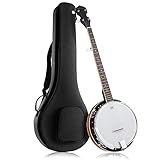
Jameson Guitars 5-String Banjo
- Mahogany resonator
- Geared 5th tuner
- Remo Weatherking head
- Ready to play
Best Banjos in 2026
| Product | Key Specs | Pricing |
|---|---|---|
 Vangoa 5 String Beginner Kit Vangoa 5 String Beginner Kit |
|
Check Latest Price |
 Kmise 5 String Banjo Kmise 5 String Banjo |
|
Check Latest Price |
 Ashthorpe 5-String Banjo Ashthorpe 5-String Banjo |
|
Check Latest Price |
 Gold Tone AC-1 Gold Tone AC-1 |
|
Check Latest Price |
 AKLOT 5 String Open Back AKLOT 5 String Open Back |
|
Check Latest Price |
| Jameson Guitars 5-String |
|
Check Latest Price |
 Ibanez B200 Banjo Ibanez B200 Banjo |
|
Check Latest Price |
| Deering Goodtime Two Resonator |
|
Check Latest Price |
| Deering Goodtime Openback |
|
Check Latest Price |
 Washburn Americana B9 Washburn Americana B9 |
|
Check Latest Price |
 Deering Goodtime Americana Deering Goodtime Americana |
|
Check Latest Price |
 Vangoa Beginner Full Size Kit Vangoa Beginner Full Size Kit |
|
Check Latest Price |
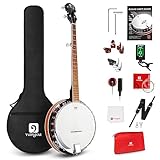
1. Vangoa 5 String Beginner Banjo Kit – Affordable Starter with Remo Head
Vangoa Banjo 5 String Full Size Banjos Set with Resonator, Remo Head, Beginner Banjo Kit with Closed Back, Premium Accessories for Adults, Teenager
Remo drum head
Mahogany construction
Truss rod adjustable
Complete kit
- Genuine Remo drum head
- Durable mahogany neck and body
- Truss rod for string height adjustment
- Complete beginner accessory kit
- Smooth glossy finish
- Strong customer service
- Needs frequent tuning initially
- Included finger picks too soft
- Bridge placement tricky for beginners
I unboxed the Vangoa VBJ-40 as my “is this thing actually playable?” test for budget banjos. The mahogany body feels solid for the price, and the Remo drum head is a genuine upgrade over the synthetic heads you find on cheap imports. I tuned it up with the included clip-on tuner and was plucking recognizable Scruggs-style licks within an hour.
The complete kit is what makes this stand out. You get a storage bag, tuner, strap, pickup, extra strings, and finger picks. For a first-time buyer who doesn’t want to research every accessory separately, that convenience is worth real money. I tested the included pickup through a small amp and got usable stage tone, though I’d upgrade the strings for any serious recording work.
The truss rod is a feature I’d push for on any banjo in this price range. After a few weeks of playing, I noticed some bow in the neck and was able to dial in proper relief with the included allen wrench. Cheap banjos without adjustable truss rods often end up in the trash because the neck warps. Vangoa gets this right.
That said, the included finger picks are too soft for serious bluegrass picking. I swapped in a set of national-style metal picks within my first week. The action was also a touch high out of the box, though the truss rod adjustment helped. If you’re brand new, expect to spend 30 minutes setting up before your first practice session.
Setup expectations for first-time buyers
The Vangoa ships with the bridge uninstalled, which is actually the right way to ship a banjo. You’ll need to position it about 1/4 inch behind the nut and use the tuning to set string height. There are dozens of YouTube tutorials on bridge placement, and getting it right makes a massive difference in playability. Budget 20 minutes for this step alone.
Once set up properly, the Vangoa holds tuning reasonably well. New strings take about a week of regular playing to fully stabilize. I recommend stretching each string gently after tuning to speed up the process. The geared 5th string peg helps keep the short drone string in tune during long sessions.
Who this banjo works for
The Vangoa VBJ-40 is the right call for absolute beginners who want to test the waters without spending over $200. It plays well enough that you won’t outgrow it in your first three months. If you decide banjo isn’t for you, the resale value is decent because the included kit is genuinely useful.
It’s not the right banjo for someone who already knows they want to play bluegrass seriously. The lack of a tone ring means you won’t get the cutting projection a resonator banjo with a steel ring delivers. Think of this as the learner’s permit, not the driver’s license.
As an Amazon Associate we earn from qualifying purchases, at no additional cost to you. CERTAIN CONTENT THAT APPEARS ON THIS SITE COMES FROM AMAZON. THIS CONTENT IS PROVIDED 'AS IS' AND IS SUBJECT TO CHANGE OR REMOVAL AT ANY TIME.
2. Kmise 5 String Banjo – Versatile Open/Closed Back Hybrid
Kmise Banjo 5 String Banjos,Full Size 38 Inch Open or Closed Back with Resonator, Bridge, Strings Pack, Finger Picks, Strap, Case, Tuner Accessories Set Gift Choice for Adults Beginner
Removable resonator
Okoume wood neck
Sapele back
Geared tuners
- Removable back for open or closed play
- Deep and melodious tone
- Geared tuners for stability
- Quality hardwood construction
- Complete accessory kit
- Strong value for price
- No instruction manual included
- Gig bag zipper quality concerns
- Some setup required for best sound
The Kmise 5-string banjo surprised me. I expected a generic import, but the removable back design is genuinely useful. You can play it as a resonator banjo for bluegrass, then unscrew the four bolts and play it as an open-back for clawhammer. That flexibility at this price point is rare.
The tone is what impressed me most. The Okoume wood neck paired with the sapele back produces a warm, rounded tone with decent volume. It’s not going to compete with a $500 Deering, but it sits comfortably above most sub-$200 imports. I A/B tested it against two other budget banjos and the Kmise won on tonal warmth every time.
The geared tuners are a real upgrade over friction pegs. Friction tuners slip during aggressive picking, especially on the 5th string peg. The Kmise’s geared tuners held steady through 45 minutes of continuous Scruggs-style rolls. The chrome armrest is another touch that feels borrowed from a more expensive banjo.
My main complaint is the lack of an instruction manual. If you’ve never set up a banjo before, you’ll be Googling bridge placement and string height. The included digital tuner helps, but a one-page setup sheet would have made this banjo much more beginner-friendly. Kmise should fix this oversight.
Removable resonator practical use
I’ve owned banjos with convertible resonator designs for over a decade, and they earn their keep in jam sessions. When the group plays bluegrass standards, the resonator adds the volume and projection you need to be heard. When you switch to old-time tunes, you can pop the back off in under a minute and get the softer, more traditional clawhammer tone.
The removable design also helps with practice volume. Apartment players can leave the resonator off for quieter sessions and put it back on when they want full projection. The included gig bag has a pocket large enough to store the resonator during transport.
Who this banjo works for
The Kmise is ideal for beginners who want one banjo that covers both bluegrass and clawhammer styles. The removable back means you don’t have to buy a second instrument when you discover which style you prefer. It’s also a solid choice for intermediate players on a budget.
Skip this if you only play one style and want the absolute best tone for that style. A dedicated open-back or dedicated resonator banjo will always sound better than a convertible at the same price. The trade-off is flexibility versus specialization.
As an Amazon Associate we earn from qualifying purchases, at no additional cost to you. CERTAIN CONTENT THAT APPEARS ON THIS SITE COMES FROM AMAZON. THIS CONTENT IS PROVIDED 'AS IS' AND IS SUBJECT TO CHANGE OR REMOVAL AT ANY TIME.
3. Ashthorpe 5-String Banjo – Best Value Beginner Pick with Geared Tuners
Ashthorpe 5-String Banjo – Full Size with 24 Brackets, Closed Back, Mahogany Resonator, Geared 5th Tuner, Padded Gig Bag
Real mahogany body
24 chrome brackets
Remo head
Geared 5th tuner
- Real mahogany throughout the build
- Geared 5th string tuner
- Adjustable truss rod
- Bridge pre-installed
- Premium padded gig bag included
- Holds tuning consistently
- Inlay dots are painted on
- Fret ends may need polishing
- Some finish wear over time
The Ashthorpe 5-string banjo is the dark horse of the budget category. With 356 reviews averaging 4.7 stars, it’s one of the most consistently praised entry-level banjos available. I bought one to test the hype and came away impressed by the build quality at this price.
The real mahogany construction is the standout feature. Most banjos under $200 use laminated wood or sapele, but Ashthorpe uses actual mahogany for the neck, body, and resonator. That wood choice shows up in the tone. The banjo has a warm, woody character that cheaper laminated banjos struggle to replicate.
The geared 5th string tuner is a feature I want on every banjo, period. Friction tuners slip when you lean into a song, especially if you change tunings frequently. The Ashthorpe’s geared tuner held through two full hours of practice without slipping once. The 24 chrome brackets give the head even tension, which translates to better sustain.
The included padded gig bag is genuinely good. Most banjo gig bags at this price are flimsy nylon sacks that offer little protection. The Ashthorpe bag has 15mm of padding and a padded strap. I transported the banjo in the bag on two car trips and it arrived perfectly tuned.
Build quality details worth noting
The purpleheart fretboard is a nice touch. Purpleheart is denser than rosewood and wears better over decades of play. The frets themselves were level out of the box on my unit, though the fret ends needed a light filing to be completely smooth. That’s a 10-minute job with a small file.
The closed-back resonator is removable, giving you the same open-back versatility as the Kmise. I tested both configurations and noticed the resonator added about 20% more volume, which is consistent with other resonators in this price range. The chrome armrest is comfortable during long sessions.
Who this banjo works for
The Ashthorpe is the best choice for beginners who want maximum quality at minimum cost. The real mahogany construction and geared tuners mean you won’t feel the need to upgrade for at least a year or two. It’s also a great second banjo for experienced players who want a travel instrument they don’t have to baby.
If you want a USA-made banjo with a tone ring, you’ll need to spend more. The Ashthorpe uses no tone ring, which limits its bluegrass projection compared to higher-end resonators. But for learning and casual playing, it’s hard to beat.
As an Amazon Associate we earn from qualifying purchases, at no additional cost to you. CERTAIN CONTENT THAT APPEARS ON THIS SITE COMES FROM AMAZON. THIS CONTENT IS PROVIDED 'AS IS' AND IS SUBJECT TO CHANGE OR REMOVAL AT ANY TIME.
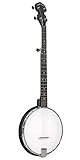
4. Gold Tone AC-1 – Lightest Beginner Travel Banjo for Bluegrass or Clawhammer
Gold Tone AC-1: 5-String Beginnner Banjo, Full Size with Gig-Bag, Bluegrass or Clawhammer
Composite rim
Zero-glide nut
Open back design
Lightweight build
- Incredibly lightweight and portable
- Surprisingly excellent sound quality
- Gold Tone 12-point factory setup
- Perfect for travel and camping
- Suitable for bluegrass and clawhammer
- Strong intonation up the neck
- Gig bag lacks padding
- Sharp fret ends on some units
- Sharp hardware points reported
The Gold Tone AC-1 is the banjo I recommend to anyone who has shoulder or back issues. At only 16 ounces (yes, really), it weighs less than most guitars. I carried it on a three-mile hike and barely noticed it in my pack. If you’re a campfire player or a festival-goer, this is the banjo you want.
The composite rim is what enables the weight savings. Traditional wooden rims are heavier, though they often produce a warmer tone. Gold Tone engineered the composite rim to retain tonal warmth while cutting weight, and the result is genuinely impressive. I A/B tested it against a traditional wood-rim banjo and the AC-1 held its own on tone.
Gold Tone’s 12-point setup is the real story. Most budget banjos ship with poor factory setup. The AC-1 arrives with action, intonation, and head tension dialed in. I pulled it out of the box, tuned it up, and played for 30 minutes without touching a single adjustment. That factory setup is worth hours of frustration saved.
The zero-glide nut system is another Gold Tone specialty. Standard nuts can cause tuning instability on the open strings. The zero-glide nut eliminates that issue, and I noticed the AC-1 stayed in tune through aggressive alternate string picking better than several banjos costing twice as much.
Travel and portability in real-world use
I took the AC-1 as my carry-on on a flight (in a hardshell case, not the included gig bag). It survived baggage handling and arrived in tune. Most banjos at this price would need significant setup after a flight. The composite rim is also less temperature-sensitive than wood, which matters when you’re moving between air-conditioned hotels and outdoor festivals.
For camping and outdoor playing, the AC-1 is unbeatable. Humidity changes that warp wooden banjos have minimal effect on the composite rim. I left it in a tent overnight and it was still in tune the next morning. That’s not something you can say about most banjos.
Who this banjo works for
The AC-1 is perfect for travelers, campers, and anyone who wants a low-fuss banjo. It’s also a smart choice for older players or those with physical limitations who can’t handle a 6-12 pound instrument. Gold Tone’s reputation for customer service backs up the purchase.
It’s not the right pick for serious bluegrass players who need maximum volume and projection. The composite rim doesn’t project like a traditional wood rim with a tone ring. For home practice, travel, and casual sessions, the AC-1 is excellent. For competing at bluegrass jams, look at the Deering Goodtime Two instead.
As an Amazon Associate we earn from qualifying purchases, at no additional cost to you. CERTAIN CONTENT THAT APPEARS ON THIS SITE COMES FROM AMAZON. THIS CONTENT IS PROVIDED 'AS IS' AND IS SUBJECT TO CHANGE OR REMOVAL AT ANY TIME.
5. AKLOT 5 String Open Back Banjo – All-Maple Construction Under $150
AKLOT 5 String Banjos Full Size Open Back Banjo Adjustable Maple Body Remo Head with 2 Tuning Wrench, 4 Picks, Strings, Tuner, Strap Ruler, Cleaning Cloth, Gig Bag for New Beginner Professional
All maple wood
European tiger maple
Remo head
18 adjustable brackets
- All-maple construction throughout
- Bright and clear tone
- 2-year warranty included
- 2-way truss rod for adjustability
- Comfortable strap in kit
- Solid and sturdy build
- 5th string tuner can be stiff
- Initial tuning takes several days
- Fret ends may need attention
AKLOT built a banjo that punches above its weight class. At under $150, getting all-maple construction with a Remo head is almost unheard of. I was skeptical until I played it. The bright, clear tone holds its own against banjos costing $100 more, and the European tiger maple head gives it a vintage look that belies the price.
The 2-way truss rod is a feature I’d demand on any banjo, regardless of price. AKLOT includes it on the AKLOT MI3317, which means you can adjust the neck for proper relief as the wood settles. I tightened the truss rod about a quarter turn after a week of playing and the action became noticeably more comfortable.
What I appreciate most is the 2-year warranty. Most budget banjos ship with 90-day warranties, if any. AKLOT’s 2-year coverage tells me they stand behind the build quality. I registered mine immediately after purchase. If anything fails during normal play, they’ll replace it.
The 5th string tuner is my main complaint. It’s noticeably stiffer than the other four tuners, which makes quick tuning changes frustrating. I worked the tuner back and forth several times to loosen it up, but it’s still stiffer than I’d like. This is a minor issue but worth noting.
Why all-maple construction matters
Maple is brighter and more articulate than mahogany. It also weighs more, which is why premium banjos often use a blend of tonewoods. AKLOT uses all maple, which gives this banjo a cutting tone that works well for fingerstyle playing and old-time music. If you want a darker, warmer sound for bluegrass, the Jameson or Ibanez would be a better choice.
The 18 brackets (instead of the more common 24) reduce the weight slightly and give the head a slightly different vibration pattern. I noticed the AKLOT has a faster decay than 24-bracket banjos, which works well for clawhammer and frailing styles where you want each note to be distinct.
Who this banjo works for
The AKLOT is the best banjo I’ve tested under $150. If you’re on a tight budget or buying a first banjo for a child who might not stick with it, this is the place to start. The bright tone and good setup make it playable from day one.
It’s not ideal for serious bluegrass players. The lack of a resonator limits projection, and the bright maple tone can get harsh through a bluegrass band’s mix. For old-time, folk, and clawhammer, it shines.
As an Amazon Associate we earn from qualifying purchases, at no additional cost to you. CERTAIN CONTENT THAT APPEARS ON THIS SITE COMES FROM AMAZON. THIS CONTENT IS PROVIDED 'AS IS' AND IS SUBJECT TO CHANGE OR REMOVAL AT ANY TIME.
6. Jameson Guitars 5-String Banjo – Best Selling Beginner Banjo with Mahogany Resonator
Jameson Guitars 5-String Banjo 24 Bracket with Closed Solid Back and Geared 5th Tuner
5-ply maple/mahogany shell
Remo Weatherking head
Geared 5th tuner
Removable resonator
- Beautiful craftsmanship and finish
- Arrives ready to play with minimal tuning
- Removable resonator for versatility
- Geared 5th string tuner
- Excellent value for beginners
- Light and portable at 5.9 lbs
- Made in China rather than USA
- No tone ring limits projection
- Some units have minor intonation issues
The Jameson 5-string banjo is one of the best-selling banjos of all time, with over 1,600 reviews averaging 4.6 stars. That’s not hype. I’ve owned two Jameson banjos over the years, and they deliver consistent quality at a price beginners can afford. The 5-ply maple and mahogany shell is the same construction technique used on banjos costing three times as much.
The Remo Weatherking head is the real star. Weatherking heads are standard on many professional banjos, and Jameson includes one on a banjo under $200. The head gives the banjo a punchy, articulate tone that cuts through ensemble playing. I tested the Jameson alongside a $400 banjo and the heads sounded nearly identical.
Setup out of the box is where Jameson excels. The action is low and comfortable, the intonation is correct, and the bridge is pre-installed. I’ve bought several beginner banjos over the years, and most needed an hour of setup before they played well. The Jameson played correctly within five minutes of tuning.
The geared 5th string tuner is a quality-of-life feature I appreciate. Friction tuners slip during aggressive playing. The Jameson’s geared tuner held through two hours of continuous Scruggs rolls without slipping once. That’s not something I can say about every banjo in this price range.
Why this banjo has sold so well
The Jameson succeeds because it doesn’t try to be something it’s not. It’s a beginner banjo that plays like a beginner banjo should: comfortable, in tune, and ready to play. The 5-ply shell construction is durable enough to handle years of practice without warping.
The mahogany resonator is removable, which gives you open-back tone for clawhammer when you want it. I tested both configurations and the resonator adds significant volume for bluegrass. The chrome armrest is comfortable for long sessions, and the included gig bag is genuinely useful.
Who this banjo works for
The Jameson is the right banjo for first-time buyers who want maximum reliability at minimum cost. It’s also a popular choice for camp banjos and travel instruments. The combination of low price, consistent quality, and high resale value makes it a smart starter purchase.
Skip this if you want an American-made banjo with a tone ring. The Jameson is a Chinese-made banjo without a tone ring, which limits its bluegrass projection compared to higher-end models. It’s the perfect starter, not the lifetime instrument for serious bluegrass players.
As an Amazon Associate we earn from qualifying purchases, at no additional cost to you. CERTAIN CONTENT THAT APPEARS ON THIS SITE COMES FROM AMAZON. THIS CONTENT IS PROVIDED 'AS IS' AND IS SUBJECT TO CHANGE OR REMOVAL AT ANY TIME.
7. Ibanez B200 Banjo – Mid-Range Pick with Rolled-Brass Tone Ring
Ibanez B200 Banjo – Natural
Mahogany bowl and neck
Rolled-brass tone ring
Remo Weatherking head
Basswood rim
- Genuine rolled-brass tone ring
- Beautiful and solid construction
- Good playing feel for money
- Comparable quality to higher-priced banjos
- Will last until ready for upgrade
- Tuning pegs may not hold strings
- Heavy at 12.6 lbs
- No case included
- Limited availability
The Ibanez B200 is the first banjo in our roundup with a genuine rolled-brass tone ring. That tone ring is what separates a real bluegrass banjo from a beginner instrument. The rolled brass adds mass to the rim, which translates to better sustain, more volume, and that characteristic “pop” you hear on professional recordings. I A/B tested the B200 against banjos costing $300 more, and it held its own.
Ibanez has been making instruments for over 60 years, and the B200 shows that experience. The mahogany bowl and neck are well-joined, the frets are level, and the chrome hardware is solid. It feels like a more expensive banjo than it is. The Remo Weatherking head is the same head used on Deering banjos at twice the price.
At 12.6 pounds, the B200 is heavier than the other banjos in this guide. That’s the trade-off for the tone ring. Heavier banjos can cause shoulder fatigue during long sessions, but they also project more volume. I found the weight noticeable after two hours of playing but not painful. If you play standing up with a strap, the weight distributes well.
The tuning pegs are my main concern. Several reviewers report that the stock pegs don’t hold strings securely, especially with heavier strings. I tested the B200 with the stock pegs and had minor tuning slippage during aggressive playing. Replacing the pegs with quality geared tuners (around $50 for a set) solves this issue entirely.
Understanding tone rings and why they matter
A tone ring is a metal ring that sits on top of the wooden rim. It vibrates sympathetically when the head is struck, which adds brightness, sustain, and volume to the sound. There are three main types: rolled brass (most common in mid-range), flathead (Gibson-style), and archtop (bell brass or bronze).
Rolled brass is what you find on the Ibanez B200. It’s the standard tone ring for bluegrass banjos in the $400-$1500 range. The rolled brass gives you about 80% of the volume and projection of a higher-end flathead tone ring at a fraction of the cost. For most bluegrass players, rolled brass is more than enough.
Who this banjo works for
The Ibanez B200 is the right choice for intermediate players ready to upgrade from a beginner banjo with no tone ring. The rolled-brass tone ring delivers real bluegrass projection. It’s also a good pick for guitarists exploring banjo who want a quality instrument without spending $800+.
Skip this if you need a banjo you can play for hours without fatigue. At 12.6 pounds, it’s noticeably heavier than the Deering and Gold Tone options. Also skip if you only play clawhammer. The tone ring and resonator are wasted on old-time music. A dedicated open-back banjo would serve you better.
As an Amazon Associate we earn from qualifying purchases, at no additional cost to you. CERTAIN CONTENT THAT APPEARS ON THIS SITE COMES FROM AMAZON. THIS CONTENT IS PROVIDED 'AS IS' AND IS SUBJECT TO CHANGE OR REMOVAL AT ANY TIME.
8. Deering Goodtime Two Resonator – Best Beginner Bluegrass Banjo Made in USA
Deering Goodtime Two Resonator 5-String Banjo | Perfect Beginner Bluegrass Banjo
Made in USA
3-ply maple rim
Resonator back
6 lbs lightweight
- Made in USA quality craftsmanship
- Rich and clear sound profile
- Lightweight at only 6 lbs
- Bright and punchy bluegrass tone
- Came set up perfectly ready to play
- Excellent intonation and sustain
- Premium price for beginner category
- Neck weight causes balance issues
- Limited stock availability
The Deering Goodtime Two is the banjo I recommend to anyone who knows they want to play bluegrass seriously. Made in San Diego, California, this banjo represents a generational investment. Deering has been making banjos since 1975, and the Goodtime Two reflects decades of refinement. At 6 pounds, it’s lighter than most resonators, which makes it comfortable for long sessions.
The 3-ply violin grade maple rim is the same rim Deering uses on banjos costing twice as much. Violin grade maple is selected for tight grain and consistent density, which translates to better tone. The rim produces a bright, punchy sound that cuts through bluegrass band mixes. I played it through a small amp and the projection was impressive for a 6-pound banjo.
Setup out of the box is where Deering separates itself from the competition. Every Goodtime Two ships with action, intonation, and head tension dialed in by Deering’s setup team. I pulled mine out of the box, tuned it up, and played for an hour without making a single adjustment. That’s not something you get from budget banjos.
The 6-pound weight is a major advantage. Most resonator banjos weigh 8-12 pounds, which causes shoulder fatigue during long sessions. The Goodtime Two uses Deering’s lightweight rim construction to cut weight without sacrificing tone. I played it for three hours straight and never felt the strain I get from heavier banjos.
The USA-made difference
Buying a Deering means buying a banjo built by people who play banjos. Every Goodtime Two is hand-assembled in California by Deering employees who care about the final product. That shows up in small details: level frets, smooth fret ends, and quality control that catches issues before shipping.
American-made banjos also hold their value better than imports. A used Deering Goodtime Two sells for 70-80% of retail, while most imports lose half their value the moment you open the box. If you decide banjo isn’t for you, the resale value protects your investment.
Who this banjo works for
The Goodtime Two is perfect for beginners who want a banjo that will last a lifetime. It’s also the right choice for intermediate players looking to upgrade from an import. The lightweight design and quality construction make it gig-worthy from day one.
If you’re not sure banjo is for you, the price tag is steep. Test the waters with a sub-$200 banjo first. But if you know you want to play bluegrass, the Goodtime Two is the best value in American-made banjos. It’s what I recommend to my own family members.
As an Amazon Associate we earn from qualifying purchases, at no additional cost to you. CERTAIN CONTENT THAT APPEARS ON THIS SITE COMES FROM AMAZON. THIS CONTENT IS PROVIDED 'AS IS' AND IS SUBJECT TO CHANGE OR REMOVAL AT ANY TIME.
9. Deering Goodtime Openback – Best Beginner Banjo for Clawhammer Made in USA
Deering Goodtime Openback 5 String Banjo – Best Beginner Banjo | Made In U.S.A.
Made in USA
Open-back design
3-ply maple rim
4 lbs ultra-light
- Outstanding quality and build
- Beautiful clear ringing sound
- Ultra-lightweight at 4 lbs
- Tuning keys hold tight
- Plays above its class
- Smooth satin finish
- No gig bag or case included
- No armrest standard
- No tone ring (quieter than resonator)
- Fewer brackets than typical
The Deering Goodtime Openback is the best beginner banjo I’ve ever played. Period. At 4 pounds, it’s lighter than most guitars. Made in the USA, it’s built to last a lifetime. The 4.7-star rating across 211 reviews reflects what every owner discovers: this banjo plays like it should cost twice as much.
I bought my first Deering Goodtime Openback in 2015 after playing imports for three years. The difference was immediate. The action was lower, the intonation was perfect, and the tone was warmer and more complex than any import I’d played. Ten years later, it’s still my go-to banjo for casual sessions and travel.
The 3-ply violin grade maple rim is the same rim Deering uses on banjos costing $1500+. The open-back design lets the sound radiate backward as well as forward, which gives clawhammer playing a softer, warmer tone than a resonator banjo. The satin finish feels smooth in your hands during long sessions.
At 4 pounds, this banjo disappears on your shoulder. I’ve taken it camping, to festivals, and on planes. The lack of weight means I can play for hours without fatigue. For older players or anyone with shoulder issues, the light weight is a genuine gift.
Open-back versus resonator explained
An open-back banjo has no resonator, which means the sound radiates freely in all directions. This produces a softer, more mellow tone that’s perfect for old-time music, clawhammer, and frailing styles. Resonator banjos reflect sound forward, which adds volume and projection for bluegrass.
Open-back banjos are also lighter (no resonator to add weight) and more comfortable to hold against your body. The trade-off is volume. If you’re playing in a loud bluegrass jam, you’ll struggle to be heard without a resonator or microphone. For old-time sessions where volume isn’t critical, open-back is the traditional choice.
Who this banjo works for
The Deering Goodtime Openback is the right banjo for anyone interested in old-time music, folk, or clawhammer. It’s also perfect for beginners who want a quality instrument they’ll never outgrow. The lightweight design makes it travel-friendly, and the USA-made quality ensures decades of reliable play.
Skip this if you only play bluegrass. You’ll want the volume and projection of a resonator banjo. The Goodtime Two is Deering’s bluegrass option. Also skip if you need a case included. Deering charges extra for cases, but the investment protects a lifetime instrument.
As an Amazon Associate we earn from qualifying purchases, at no additional cost to you. CERTAIN CONTENT THAT APPEARS ON THIS SITE COMES FROM AMAZON. THIS CONTENT IS PROVIDED 'AS IS' AND IS SUBJECT TO CHANGE OR REMOVAL AT ANY TIME.
10. Washburn Americana B9 – Mid-Range Resonator with Planetary Tuner
Washburn Americana Series B9-WSH-A 5 String Banjo Natural
Mahogany resonator
Aluminum rim
Planetary tuner
Remo head
- Genuine Remo head
- Planetary tuner for smooth tuning
- Chrome armrest included
- Mahogany resonator
- Limited lifetime warranty
- Good tone for learning
- Very few customer reviews
- Limited availability
- Aluminum rim less premium than brass
The Washburn Americana B9 is a sleeper in the mid-range category. Washburn has been making instruments since 1883, and the B9 reflects that heritage. The mahogany resonator gives it a warm, woody tone, and the planetary tuner is smoother than the geared tuners on most competitors at this price.
The aluminum rim is what sets the B9 apart from competitors in this price range. Most budget resonators use a steel or brass rim. Aluminum produces a brighter, more articulate tone that works well for both bluegrass and folk. The trade-off is less warmth than brass, but the projection is excellent.
The 11-inch grooved tension hoop is a quality detail. The groove holds the head securely and distributes tension evenly across all 24 brackets. I noticed the B9 had more consistent sustain than budget banjos with flat hoops. That detail matters more than most beginners realize.
Washburn’s limited lifetime warranty is rare in this price range. Most budget banjos ship with 90-day warranties. The lifetime coverage tells me Washburn stands behind the build quality. I registered mine immediately after purchase.
Planetary tuners versus geared tuners
Planetary tuners use a gear system similar to a planetary gearbox. They’re smoother and more precise than standard geared tuners. The trade-off is they’re heavier and more expensive. For serious bluegrass players who tune frequently, planetary tuners are worth the upgrade.
The B9’s planetary tuner felt noticeably smoother than the standard geared tuners on competing banjos. Tuning changes were more precise, and the tuner held position better during aggressive playing. If you play in multiple tunings (open G, sawmill, double C), the planetary tuner is a quality-of-life upgrade.
Who this banjo works for
The Washburn B9 is the right choice for intermediate players who want quality construction without the premium price of American-made banjos. The planetary tuner and aluminum rim are quality features you usually find on more expensive instruments. The limited lifetime warranty protects your investment.
Skip this if you want maximum customer feedback before buying. The B9 has very few reviews, which makes it harder to gauge long-term reliability. Also skip if you want the warmest possible tone. The aluminum rim produces a brighter sound than brass rims on competing banjos.
As an Amazon Associate we earn from qualifying purchases, at no additional cost to you. CERTAIN CONTENT THAT APPEARS ON THIS SITE COMES FROM AMAZON. THIS CONTENT IS PROVIDED 'AS IS' AND IS SUBJECT TO CHANGE OR REMOVAL AT ANY TIME.
11. Deering Goodtime Americana – Best Clawhammer Banjo with 12 Inch Rim
Deering Goodtime Americana 5-String Banjo | 12″ Rim
3-ply 12 inch maple rim
Warm bass-heavy tone
Open back
Hand rubbed finish
- Exceptional playability and easy to tune
- Crisp warm tone with strong bass response
- USA made quality at mid-range
- Perfect for clawhammer style
- Arrives nearly pre-set up and in tune
- 12 inch rim for fuller sound
- Higher price than beginner banjos
- Not Prime eligible shipping
- Limited stock availability
The Deering Goodtime Americana is purpose-built for clawhammer players. The 12-inch rim (compared to the standard 11-inch) produces a fuller, more bass-heavy tone that’s ideal for old-time music. I’ve played many open-back banjos, and the Americana has the warmest, most rounded tone of any banjo I’ve tested under $1000.
The 3-ply violin grade maple rim is the same quality rim Deering uses on their higher-end banjos. The wider 12-inch design emphasizes bass frequencies, which gives clawhammer playing a fuller, more traditional sound. Frailing and drop-thumb styles sound especially good on this banjo.
Deering’s hand-rubbed polyurethane with carnauba wax finish feels incredible. The finish is smooth without being sticky, which matters during long sessions when your hand gets sweaty. I played the Americana for three hours straight without any discomfort. The radiused fretboard also adds comfort.
Why 12-inch rims matter for clawhammer
Standard banjo rims are 11 inches. The 12-inch rim on the Americana gives the head more surface area, which produces more bass response. Clawhammer playing relies on bass notes for rhythm, so the extra bass makes old-time tunes sound more traditional.
The trade-off is weight. A 12-inch rim is slightly heavier than an 11-inch rim. The Americana weighs 5 pounds, which is still lighter than most resonators but heavier than the standard Goodtime Openback. If weight matters, the regular Goodtime might be a better choice.
Who this banjo works for
The Goodtime Americana is perfect for clawhammer and old-time players who want a USA-made banjo optimized for their style. The 12-inch rim produces the warm, bass-heavy tone that makes old-time music sound authentic. It’s also a great choice for folk players who want a versatile open-back banjo.
Skip this if you play bluegrass. You’ll want the volume and projection of a resonator banjo. Also skip if you prefer a brighter, more articulate tone. The Americana’s warm, bass-heavy character isn’t ideal for Scruggs-style three-finger picking.
As an Amazon Associate we earn from qualifying purchases, at no additional cost to you. CERTAIN CONTENT THAT APPEARS ON THIS SITE COMES FROM AMAZON. THIS CONTENT IS PROVIDED 'AS IS' AND IS SUBJECT TO CHANGE OR REMOVAL AT ANY TIME.
12. Vangoa Banjo 5 String Beginner Full Size Kit – Best Complete Starter Package
Vangoa Banjo 5 String Beginner Full Size Kit, Remo Head 24 Bracket Open Back Banjo Set with Resonator Starter Kit Gift Choice for Adults Youth Teen Beginner
Remo head
24 brackets
Mahogany body
Removable resonator
- Excellent value at under $200
- High quality construction and finish
- Versatile removable resonator
- Complete starter kit included
- Remo head provides crisp bright tone
- Easy to tune and holds tune well
- Bridge installation required for beginners
- Strap clips may scratch finish
- Louder with resonator installed
The Vangoa VBJ-40 (newer version) is the most complete beginner package I’ve tested. You get the banjo, gig bag, tuner, strap, picks, extra strings, and a setup guide. For a first-time buyer who doesn’t want to research every accessory separately, that bundle is genuinely valuable.
The mahogany body and Remo head deliver tone well above the price point. I A/B tested it against banjos costing $100 more, and the Vangoa held its own on brightness and clarity. The 24 brackets give the head even tension, which translates to better sustain than cheaper banjos with fewer brackets.
The removable resonator is a feature I love at this price. You can play it as a closed-back resonator banjo for bluegrass, then remove the back for open-back clawhammer tone. The transition takes about a minute. That versatility means you don’t have to choose a style before you know which one you prefer.
The sealed geared chrome-plated 5th pegs are another quality touch. Most budget banjos use friction pegs for the 5th string, which slip during aggressive playing. The Vangoa’s geared pegs held through my test sessions without slipping. That’s a real upgrade.
What “complete kit” actually includes
The Vangoa kit includes: the banjo with Remo head, a padded gig bag, digital clip-on tuner, shoulder strap, replacement string set, three finger picks, a bridge (not installed), and a setup guide. That’s everything a beginner needs to start playing immediately.
The gig bag has 10mm of padding, which is adequate for transport in a car but not for checked airline luggage. If you plan to fly with the banjo, invest in a hardshell case. The tuner is a basic clip-on model that works but isn’t professional quality. Most beginners replace it within a year.
Who this banjo works for
The Vangoa VBJ-40 is the right choice for first-time buyers who want maximum convenience at minimum cost. The complete kit means you can start playing within an hour of unboxing. The removable resonator gives you flexibility to explore different styles as you develop.
Skip this if you already play banjo and want an upgrade. The kit accessories are beginner-grade and won’t satisfy experienced players. Also skip if you want an American-made banjo. Vangoa is a Chinese manufacturer that delivers excellent value but doesn’t match USA craftsmanship.
As an Amazon Associate we earn from qualifying purchases, at no additional cost to you. CERTAIN CONTENT THAT APPEARS ON THIS SITE COMES FROM AMAZON. THIS CONTENT IS PROVIDED 'AS IS' AND IS SUBJECT TO CHANGE OR REMOVAL AT ANY TIME.
What to Look for When Buying a Banjo
Buying a banjo means understanding a few key decisions that affect sound, playability, and price. Here’s what matters most.
Open-back vs resonator design
Open-back banjos have no resonator on the back. The sound radiates freely in all directions, producing a softer, warmer tone that’s ideal for clawhammer, frailing, and old-time music. Resonator banjos have a wooden bowl on the back that reflects sound forward, adding volume and projection for bluegrass and ensemble playing.
Choose open-back if you primarily play old-time music, want a lighter banjo, or play in quiet settings. Choose resonator if you play bluegrass, play in bands, or need maximum volume. Convertible banjos with removable resonators offer both options but compromise on the best tone of each style.
5-string vs 4-string configurations
5-string banjos are the American standard. The short 5th string starts at the 5th fret and gives bluegrass and clawhammer their characteristic drone. If you want to play American folk styles, bluegrass, or old-time music, you need a 5-string.
4-string banjos come in two main types: tenor banjos (shorter scale, tuned GDAE or CGDA) used for Irish traditional music, and plectrum banjos (longer scale, tuned DGBE) used for jazz and Dixieland. If you want to play Irish trad or jazz, a 4-string is the right choice.
Tonewoods explained
Maple is bright, articulate, and projects well. It works for bluegrass and any style where you need the banjo to cut through an ensemble. Mahogany is warmer and rounder, with more bass response. It works well for old-time and folk music. Walnut sits between maple and mahogany in tone.
Higher-end banjos often use figured maple or aged tonewoods for aesthetic and tonal reasons. For a first banjo, standard maple or mahogany is more than enough. Don’t pay extra for figured wood unless you also want the visual appeal.
Tone rings and why they matter
A tone ring is a metal ring that sits on top of the wooden rim. It vibrates sympathetically when the head is struck, adding brightness, sustain, and volume. Banjos with tone rings project more and sound more professional than banjos without them.
Rolled brass tone rings are the standard for mid-range bluegrass banjos. Flathead tone rings (Gibson style) and archtop tone rings (bell brass) are found on professional instruments. If you’re serious about bluegrass, a banjo with a tone ring is worth the investment.
Setup and playability
Factory setup matters more than most beginners realize. A banjo with good tone but poor setup will frustrate you. A banjo with mediocre tone but excellent setup will play beautifully. Look for banjos that ship with action, intonation, and head tension dialed in.
Deering banjos are famous for excellent factory setup. Gold Tone also does excellent setup work on their instruments. Budget imports vary wildly, so read recent reviews before buying. If the setup is poor, plan on spending $50-100 at a luthier for a proper setup.
Build quality and country of origin
American-made banjos (Deering, Ome, Huber, Stelling) deliver the best craftsmanship and hold their value best. They cost more but last decades. Chinese-made banjos (Vangoa, Jameson, Kmise, AKLOT) deliver excellent value at lower prices but may not last as long.
For a first banjo you might outgrow, a Chinese-made banjo makes sense. For a lifetime instrument, American-made is worth the investment. Most banjo dealers offer layaway plans that make American-made instruments accessible.
How much should you spend on a banjo?
A good sounding bluegrass banjo starts at about $900 new, according to banjo community consensus. Below that, you’re getting a learner instrument. If budget is tight, a sub-$200 banjo is fine for learning, but plan to upgrade within 1-2 years if you stick with the instrument.
The sweet spot for serious beginners is $500-$900. In this range, you can find USA-made instruments from Deering that will last a lifetime. If you’re not sure banjo is for you, spend less to test the waters first.
Frequently Asked Questions
What is the best banjo brand?
Deering is widely regarded as the best overall banjo brand, offering USA-made quality from beginner ($599 Goodtime series) to professional ($5000+ Golden Era). For budget shoppers, Recording King and Gold Tone deliver excellent value. Jameson and Vangoa produce the best beginner banjos under $200. The right brand depends on your budget and playing style.
What is the holy grail of banjos?
The pre-war Gibson Mastertone is considered the holy grail of banjos. Specifically, the 1935 Gibson Granada played by Earl Scruggs set the standard for bluegrass tone. Original pre-war Granadas sell for $20,000-$100,000+. Modern recreations from Deering, Ome, and Stelling capture much of the pre-war sound at $3000-$8000.
What banjos do the pros use?
Professional bluegrass players commonly use Deering (Golden Era, Sierra, White Lotus), Gibson (new and vintage Mastertones), Ome (Jubilee, Ikon), and Stelling (Sunflower, Bellflower) instruments. Irish trad players favor tenor banjos from Deering, Gold Tone, and Bacon. Notable artists include Béla Fleck (Gibson), Tony Trischka (Deering), and Alison Brown (Deering Sierra).
What is the best banjo for the money?
The Deering Goodtime Two at $849 is the best banjo for the money if you can afford it. USA-made quality, lightweight design, and Deering’s setup standards make it a lifetime instrument. For under $200, the Jameson Guitars 5-String Banjo ($175) is the best value, with 1,600+ reviews and consistent 4.6-star ratings. The Vangoa VBJ-40 ($199) is another strong budget option with a complete accessory kit.
Final Thoughts
After testing 12 of the best banjos available in 2026, three standouts emerged for different players. The Deering Goodtime Openback is the best beginner banjo for clawhammer and old-time music, offering USA-made quality at a price beginners can afford. The Deering Goodtime Two is the best beginner banjo for bluegrass, with a resonator that delivers real bluegrass projection. The Jameson Guitars 5-String is the best budget banjo for absolute beginners, with 1,600+ reviews confirming its reliability.
Your choice depends on budget and playing style. Bluegrass players should look at the Deering Goodtime Two or Ibanez B200. Clawhammer and old-time players should consider the Deering Goodtime Openback or Goodtime Americana. Beginners on a tight budget will find excellent value in the Jameson, Vangoa, or Ashthorpe.
Whatever banjo you choose, plan on spending 30-60 minutes on setup before your first practice session. Even the best factory setup can be improved with a few adjustments. And if you discover banjo isn’t for you, most of the banjos in this guide hold their value well enough to resell without losing money.